Key Takeaways
Flower meanings can help you choose a bouquet that feels personal, but color, relationship, and occasion matter too.
- Roses are a familiar choice for romantic love, while softer shades can suit appreciation and affection.
- Orchids often convey admiration and elegance, making them a distinctive gift.
- Carnations, lilies, irises, and chrysanthemums offer varied ways to express care and respect.
- Sunflowers, tulips, peonies, and gladioluses can bring warmth, tenderness, or strength to an arrangement.
- A thoughtful note and a recipient’s preferences matter as much as traditional symbolism.
1. Roses
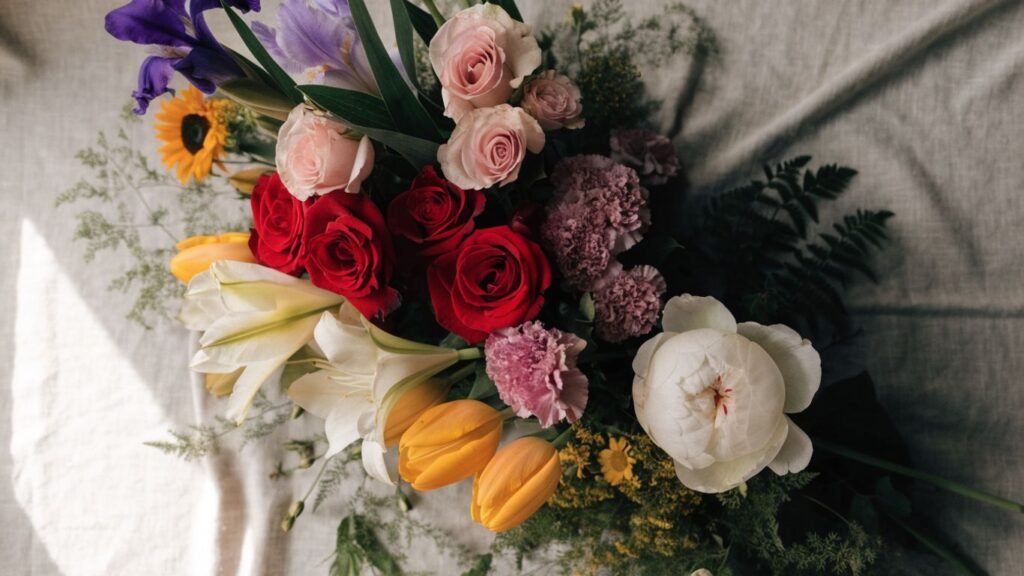
Roses are among the most recognizable flowers that mean love and respect, though their message changes with color and context. Red roses traditionally suggest romantic love, while pink ones can express admiration or gratitude. White roses are often chosen for sincerity, remembrance, or a fresh beginning. If you are picking a bouquet for Valentine’s Day, Valentine’s Day marketing offers a business-minded perspective on why familiar seasonal flowers remain part of the occasion.
A rose’s meaning can be a useful starting point, not a strict rule. For a friend, a soft pink arrangement may feel warm without sounding overly romantic; for a partner, deep red can make the message unmistakable. The shades below give a quick sense of the associations people often bring to a bouquet.
| Rose color | Common association | A fitting use |
|---|---|---|
| Red | Romantic love | An anniversary or date |
| Pink | Appreciation and admiration | A thank-you or celebration |
| White | Sincerity and remembrance | A thoughtful, quiet gesture |
| Yellow | Friendship and cheer | A bright gift for a friend |
These meanings are traditional rather than universal, so consider what the recipient enjoys and what the moment calls for. A small mixed bouquet can soften a single-color message, and a handwritten note makes your intention clearer. The personal touch often matters more than getting every flower meaning exactly right.
2. Orchids
Orchids have a poised, graceful appearance that lends itself to messages of admiration, respect, and affection. Their sculptural blooms feel a little more distinctive than a familiar bunch of cut flowers, which can make them a lovely choice for someone whose taste runs toward the unusual. Many people also appreciate that a potted orchid can remain part of a room after the occasion has passed.
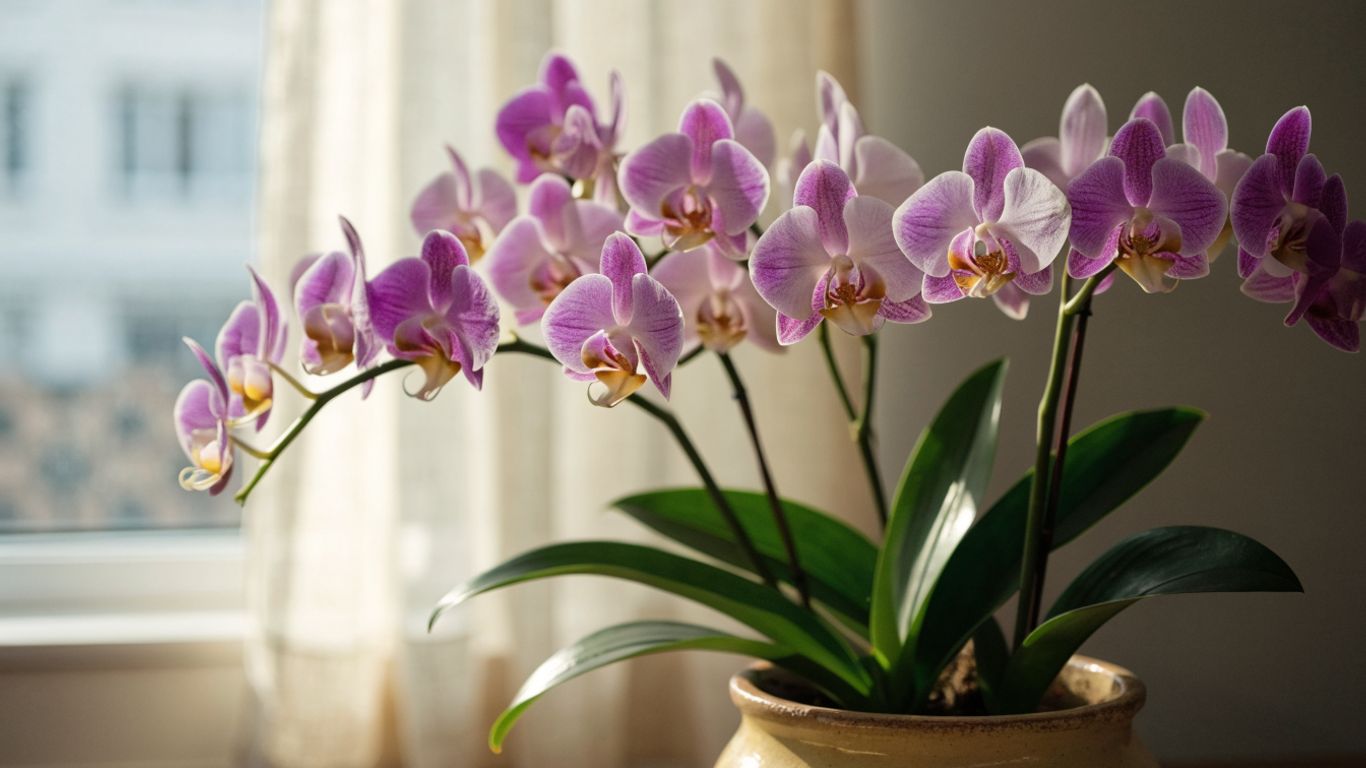
A flowering orchid can suit a thank-you, a milestone, or a gift for someone you admire. If the recipient enjoys plants, choose one with healthy leaves and several unopened buds so the display can continue to develop. Care preferences vary by type, so include the plant label or a simple note about its needs rather than assuming every orchid is cared for in the same way.
Flowers are sometimes paired with other small gifts in a personal care package. For someone who enjoys wellness-related presents, The Black Gold Secret is an e-book about aged garlic extract; it is a different kind of gift, but a reminder that a thoughtful bundle can reflect the recipient’s interests as well as the occasion. Keep the orchid itself as the visual centerpiece, and let any extras stay secondary.
3. Carnations
Carnations are long-associated with affection, admiration, and enduring care, and their ruffled petals make them feel generous even in a simple arrangement. Pink carnations are often linked with gratitude and remembrance, while red varieties can suggest deep affection. White carnations are commonly associated with sincerity and pure regard, making them a considerate choice when you want warmth without a strongly romantic tone.
Their versatility makes carnations suitable for many relationships, from family members to close friends. They work well on their own, but they also mix easily with other seasonal blooms and greenery. A few stems in a small vase can feel just as intentional as a larger bouquet when the color and presentation suit the person receiving them.
Because flower symbolism shifts across cultures and traditions, it can help to consult a Victorian flower meanings chart when you want to understand the older language associated with a bloom. Treat those associations as background rather than a fixed code. A personal note can clarify whether your carnations are meant as thanks, affection, or simply a cheerful hello.
4. Lilies
Lilies are often chosen for their striking shape and sense of grace, and they can express respect, devotion, or heartfelt care. Their bold blooms bring presence to a room, so even a few stems can make a memorable gift. White lilies are especially associated with purity and remembrance, while other colors may feel more celebratory or romantic.
The right setting can shape how a lily arrangement feels. A simple vase on a dining table keeps the flowers prominent, while a looser arrangement with foliage gives them a softer, more relaxed look. If you are refreshing a room as well as choosing flowers, ideas for custom-home features can prompt thoughts about how natural light, surfaces, and open spaces affect a display.
Lilies can also have a strong fragrance, so think about the recipient’s comfort and the room where they will be placed. Some varieties produce pollen that may stain fabric, and certain lilies are dangerous to cats, so check the type before bringing them into a home with pets. A little practical care lets the gesture remain beautiful and considerate.
5. Irises
Irises are associated with wisdom, hope, and admiration, making them a graceful way to show respect as well as affection. Their upright stems and distinctive petals lend an arrangement a sense of movement. Blue and purple irises feel especially contemplative, while yellow varieties can bring a brighter, more cheerful note.
An iris bouquet can suit a mentor, a family member, or someone reaching a meaningful milestone. It is a thoughtful alternative when roses feel too romantic or familiar. A few irises with understated greenery can keep the shape of the blooms in focus without making the arrangement feel formal.
These flowers are also lovely in a mixed bouquet, where their strong lines contrast with rounder blossoms. Pair them with colors the recipient likes rather than relying on symbolism alone. If you are unsure, a short message that says what you appreciate about the person gives the flowers a clear and personal meaning.
6. Sunflowers
Sunflowers bring warmth and optimism, and they can communicate admiration, loyalty, and steady affection. Their open faces and bright color make them feel generous rather than reserved. That makes them a natural choice for celebrating a friend, thanking a supportive person, or cheering someone through an ordinary week.
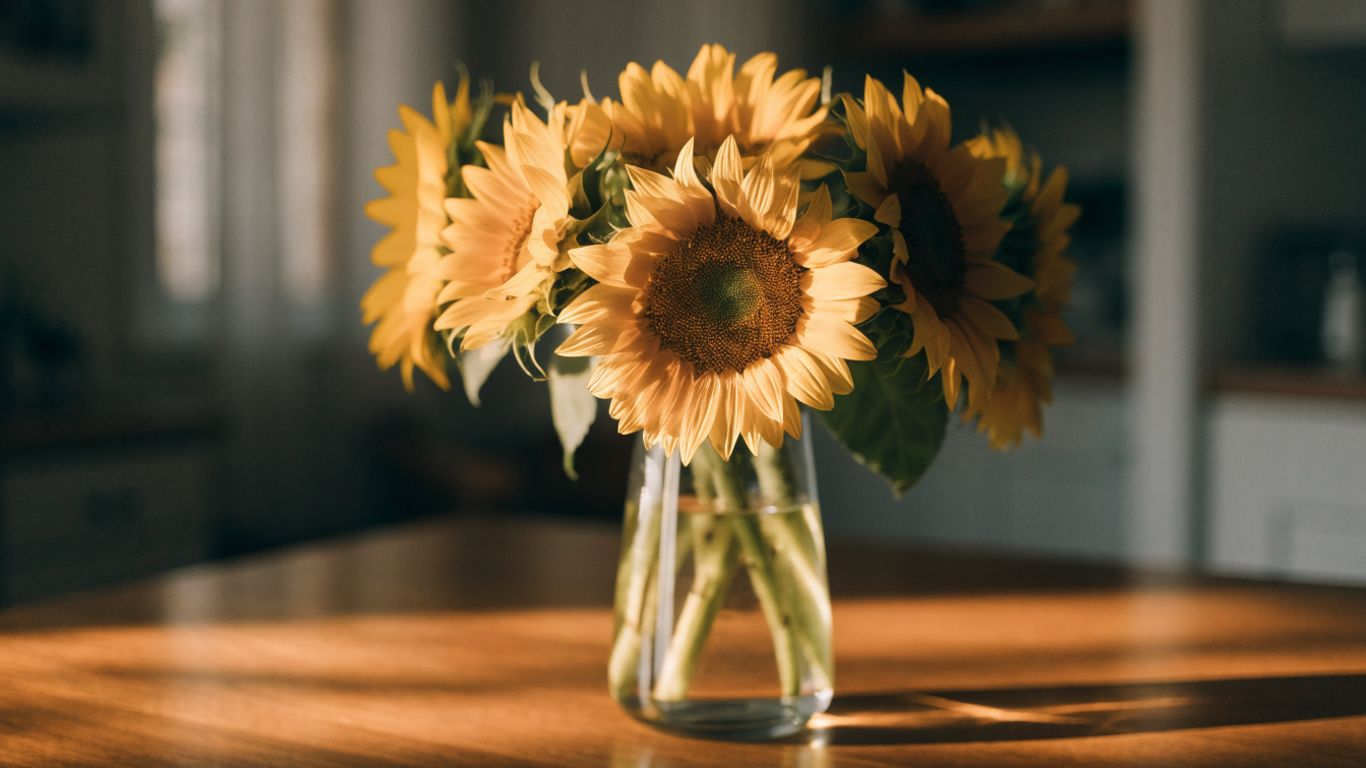
A sunflower arrangement can look at home in a kitchen, entryway, or bright living space. If you are thinking about where flowers will sit, countertop material can affect the overall look; a comparison of quartz and quartzite can help when considering the surface as part of a room’s styling. The practical point for a bouquet is simple: choose a stable spot with enough room for the stems and vase.
Sunflowers are bold, so they often need little decoration. A few companion flowers can add texture, but a dense mix may compete with their broad heads. Choose a sturdy vase, refresh the water regularly, and trim the stems at an angle to help the arrangement stay fresh.
7. Tulips
Tulips are a lovely expression of affection, warmth, and fresh possibility. Their clean shape and broad range of colors make them easy to adapt, whether you are sending a romantic gesture or a cheerful gift to a friend. Red tulips often suggest love, while pink and yellow varieties can feel tender or bright.
When selecting tulips, the occasion and the recipient’s taste can help narrow the choice. These simple cues can guide an arrangement without turning flower symbolism into a strict set of rules:
- Choose red tulips for a clearly romantic message.
- Pick pink tulips to express affection or appreciation.
- Use yellow tulips for a cheerful, friendly gesture.
- Add white tulips when you want a calm, sincere tone.
Tulips continue to grow after cutting, so leave a little room in the vase and expect the stems to shift toward the light. Their easy, natural movement is part of their charm. For a broader look at blooms tied to affection, a guide to flowers associated with love can offer more ideas for a personal bouquet.
8. Chrysanthemums
Chrysanthemums carry associations of loyalty, joy, and long-lasting affection in many traditions. Their full, layered petals give a bouquet a sense of abundance, while their variety of colors makes it easy to find a tone suited to the occasion. Red chrysanthemums may suggest love, and white ones are often connected with sincerity or remembrance, though meanings differ by place and custom.
They can be a considerate choice for a family gathering, a gesture of appreciation, or a bouquet for someone who enjoys a fuller arrangement. Mums pair well with smaller seasonal flowers, but a single-color bunch can also look polished. Their long-lasting quality makes them especially welcome when you want the gift to be enjoyed over several days.
As with any flower, local customs may influence how chrysanthemums are understood. If you are sending them to someone from a different cultural background, consider asking what colors or varieties they prefer. A little care in choosing the arrangement can make the sentiment feel more personal and respectful.
9. Peonies
Peonies are often associated with romance, happiness, and generous affection. Their rounded, many-layered blooms make them feel celebratory, so they suit anniversaries, weddings, and other meaningful occasions. Their soft appearance can also make them a tender choice for expressing gratitude or fondness.
Because peonies can be especially full and eye-catching, they work beautifully as the focus of a bouquet. A few stems with delicate greenery may be enough; adding too many other large flowers can make the arrangement feel crowded. When peonies are in season, choosing blooms that are just beginning to open lets the recipient enjoy their unfolding petals.
Peonies are not always available year-round, and their season can vary by region. If you cannot find them, choose a flower with a similarly soft color or rounded shape and include a note explaining why you had that bloom in mind. The feeling behind the gift matters more than matching a traditional flower list exactly.
10. Gladioluses
Gladioluses are known for their tall stems and dramatic line, and they are often associated with strength, sincerity, and admiration. Their shape gives an arrangement height and a sense of occasion. That makes them a good choice for recognizing someone’s perseverance or marking a major achievement with a heartfelt gesture.
They can be arranged in a tall vase on their own or combined with shorter flowers for contrast. For a more modern look, consider how the vase and surrounding objects relate to the blooms; metallic design trends offer ideas for combining metal finishes with other materials in a space. Keep the arrangement balanced so the gladioluses remain the feature rather than one element among too many competing details.
Their upward form can feel formal, but color and companions soften the effect. Choose shades that suit the recipient, trim the stems as needed, and remove fading lower florets to keep the display tidy. Whether given for admiration, affection, or respect, gladioluses make a clear impression without needing a complicated arrangement.
Conclusion
The most meaningful bouquet is one that reflects both the symbolism of its flowers and the person receiving it. Roses, orchids, carnations, and the other blooms here offer different ways to express love, admiration, gratitude, or respect, but there is no single right choice. Let the recipient’s preferences guide you, then add a note that says plainly what you hope the flowers will convey.
Frequently Asked Questions
Which flower most commonly represents love?
Red roses are among the most widely recognized symbols of romantic love, though tulips, carnations, and peonies can also express affection.
What flowers are good for expressing respect?
Irises, orchids, lilies, and gladioluses are often chosen to convey admiration or respect. The recipient’s tastes and the occasion can help guide the choice.
Do flower meanings change by color?
Yes. Different colors of the same flower are often associated with different sentiments, though these meanings are traditional and can vary by culture.
Are carnations appropriate for a romantic gift?
Yes. Carnations can express affection and admiration, especially in red or pink. A note can make the intended message clear.
What flower can I give to a friend?
Sunflowers, yellow roses, and cheerful tulips are popular friendly choices. Choose a color and style that feel right for your friend.
Can I combine flowers with different meanings?
Certainly. A mixed bouquet can express several feelings at once, and a personal message can tie those meanings together.
How can I make a flower gift feel more personal?
Consider the recipient’s favorite colors, flowers, and home style, then include a short note explaining why you chose the arrangement.