Key Takeaways
Choosing condolence flowers is less about finding a perfect arrangement and more about offering a considerate, timely gesture. Think about the family, the setting, the message, and the practical details before ordering.
- Match the arrangement to the home, service, or memorial setting.
- Choose flowers and colors that feel calm, respectful, and personal.
- Check cultural, religious, and family preferences when possible.
- Confirm the delivery address, timing, recipient, and venue contact.
- Order from a florist who is comfortable handling sympathy arrangements.
Understand the meaning behind condolence flowers in Altona
Flowers can say something gentle when ordinary words feel inadequate. When people search for condolence flowers Altona, they are often looking for a way to acknowledge loss while giving the family a visible reminder of care. The most thoughtful choice is usually one that respects the relationship, the family’s wishes, and the circumstances of the service.
How flowers express sympathy and support
A sympathy arrangement offers presence without asking the grieving person to respond. It can be sent to a family home, brought to a memorial, or arranged for a service where others can share in the remembrance. Soft flowers, restrained colors, and a handwritten message often communicate support more naturally than an elaborate display chosen only for appearance.
The gesture matters even when you cannot attend in person. A modest bouquet can let someone know they are being remembered, while a larger tribute may be appropriate when you had a close relationship with the person who died.
The difference between condolence, funeral, and sympathy flowers
These terms overlap, but they often describe different recipients or settings. Condolence and sympathy flowers are commonly sent to relatives or friends as an expression of personal support. Funeral flowers are more likely to be designed for a viewing, funeral, or memorial service, where the arrangement must suit the venue and may be placed alongside other tributes.
A florist can help translate your intention into the right format. Tell them whether the flowers are going to a home, funeral home, church, cemetery, or celebration of life, and explain your connection to the person being remembered.
When to send flowers to the family
Flowers may be sent as soon as you hear the news, during the days before a service, or after the ceremony when the quietness of grief can feel especially difficult. Sending them to the family home is often a considerate option when service details have not been announced. If an obituary requests donations instead of flowers, follow that preference and consider sending a card.
If you are unsure about timing, ask a close family member or the funeral director. A florist may also help you choose a delivery window that avoids arriving during a private gathering.
Cultural and religious considerations to keep in mind
Flower customs vary widely. Some families welcome white lilies, while others may prefer roses, natives, or a particular color connected with the person who died. Certain traditions have preferences about flowers, wreaths, or whether arrangements should be sent at all, so a quiet question can prevent an unintended mistake.
When details are unknown, choose a restrained design and avoid making assumptions about symbolism. Respectful simplicity is a sound starting point, especially when you are not closely connected to the family.
Choose the right type of floral arrangement
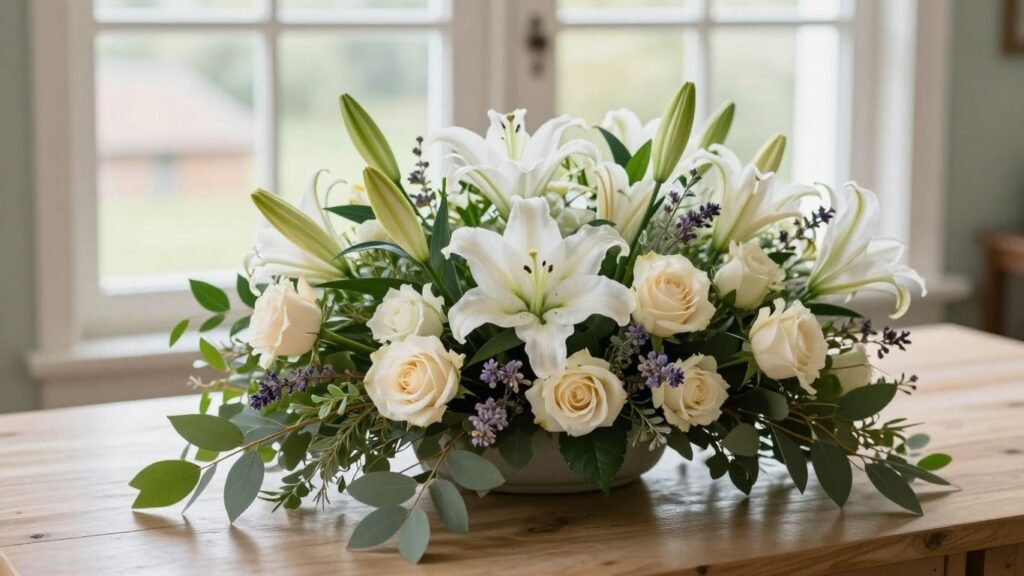
The best arrangement depends on where it will be seen and who will receive it. A compact bouquet may suit a living room, while a standing spray is designed to be visible at a service. Consider the available space, the family’s ability to care for flowers, and whether the arrangement should be personal or shared by a wider group.
Traditional bouquets for the family home
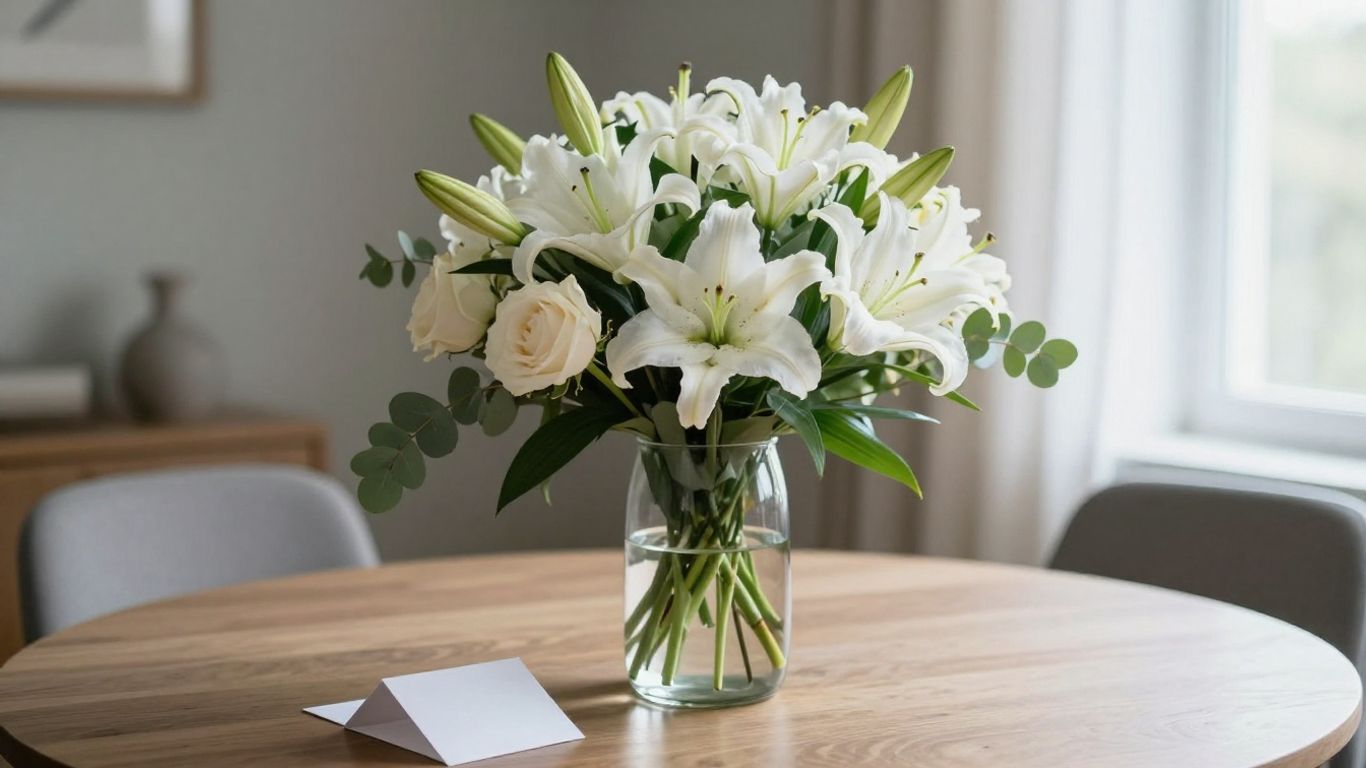
Bouquets and vase arrangements are usually warm, personal choices for a family residence. They can be placed on a dining table, entryway, or bedside table, and they allow the recipient to enjoy the flowers privately. A low, balanced arrangement is often easier to live with than a tall design that needs a large surface or frequent repositioning.
Seasonal flowers, gentle foliage, and a small card can create a thoughtful tribute without making the home feel like a formal venue. Ask whether a vase is included if the recipient may not have one available.
Wreaths, sprays, and standing arrangements for services
Wreaths, casket sprays, and standing arrangements are made for visibility and ceremony. A wreath can express continuity and remembrance, while a standing spray creates a focal point near a lectern, portrait, or entrance. These designs should be ordered with the venue’s rules and the service schedule in mind.
For funeral flowers near Altona, funeral flower arrangements can be a useful starting point when comparing service-oriented options. The arrangement should remain appropriate to the room rather than compete with the ceremony itself.
Casket flowers and personalized tributes
Casket flowers are normally chosen by immediate family, who may want to coordinate colors, favorite blooms, or a particular shape. If you are not part of the immediate family, ask before ordering anything intended for the casket. A smaller tribute placed nearby can be more suitable and gives the family room to make the central decision.
Personal touches can include a favorite flower, a natural color palette, or a small reference to the person’s interests. For families seeking a non-floral memorial element, a personalized memorial song may provide another way to honor an individual story, provided it suits the family and service.
Low-maintenance plants as lasting memorial gifts
A peace lily, flowering plant, or hardy indoor plant can last beyond the service and offer a living reminder over time. Plants are especially suitable when you know the recipient enjoys gardening or has a suitable place to keep one. They are less appropriate when the family is moving, traveling, or already receiving many ongoing-care gifts.
Ask about watering needs and light conditions before selecting a plant. A simple care note can make the gesture more helpful rather than turning it into another responsibility.
Select flowers, colors, and designs with care
There is no universal sympathy palette. White and neutral flowers often feel calm, but pastels, soft blues, muted pinks, and natural greens can also be fitting. The most meaningful choice may be a flower or color that recalls the person’s home, garden, clothing, or favorite season.
Popular flowers for expressing sympathy
Lilies, roses, chrysanthemums, carnations, and seasonal flowers are common choices for sympathy work. Each has a different texture and lasting quality, so the design matters as much as the individual bloom. Australian natives may suit someone who loved local landscapes or relaxed, natural arrangements.
A florist can recommend flowers that are available and in good condition on the requested date. A personal connection matters most when the choice is otherwise difficult, even if that means selecting a simple seasonal bouquet.
What different flower colors can communicate
Color can influence the feeling of an arrangement, although symbolism is never fixed across every family or tradition. White may appear peaceful and understated; pale pink can feel tender; blue and lavender may create a quiet, reflective mood. Brighter shades can be appropriate when they reflect the personality of the person being remembered.
Rather than relying on a strict color code, consider the recipient’s taste. A soft arrangement for the family home and a brighter tribute for a celebration of life can both be respectful when chosen with context.
When to choose a traditional or modern style
Traditional designs tend to use familiar flowers, symmetrical shapes, and subdued colors. They may feel right for a formal religious service or when you do not know the family well. Modern designs can use sculptural foliage, asymmetry, native flowers, or a more restrained collection of blooms.
Neither approach is automatically more respectful. Let the venue, the person’s character, and the family’s preferences guide the style, and tell the florist if you want something understated rather than highly formal.
How to personalize an arrangement respectfully
Personalization works best when it is specific but not overwhelming. You might mention a favorite flower in the card, choose a color associated with the person, or request a shape that feels natural for the setting. If you are ordering on behalf of several people, use a shared message and include the group’s names clearly.
A meaningful tribute does not need to display every detail of someone’s life. One thoughtful reference is often enough, especially when the service already includes photographs, music, readings, or other personal elements.
Plan delivery of condolence flowers in Altona
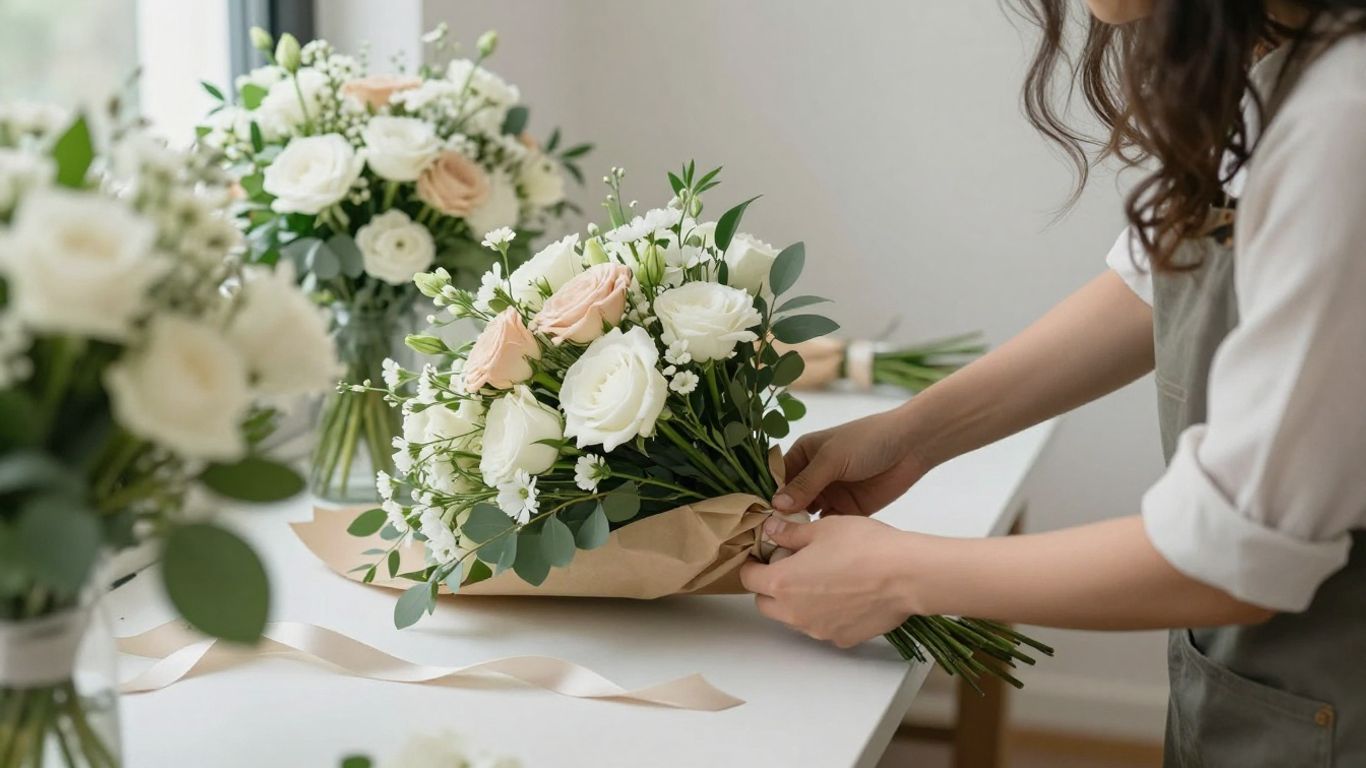
Delivery requires more coordination than an ordinary bouquet. Funeral homes, churches, cemeteries, and event venues may have different receiving procedures, and services can move quickly. Provide complete information at checkout and allow the florist to confirm anything that could affect arrival.
Where funeral and sympathy flowers are typically delivered
Home deliveries are usually addressed to a family member and should include a phone number if appropriate. Service arrangements may go directly to a funeral home, church, memorial park, or event venue, where staff can place them correctly. If the ceremony is outdoors, ask whether weather or site rules affect the kind of arrangement that can be delivered.
A local Altona flower delivery service may be able to discuss venue logistics, but you should still verify the exact address and receiving contact before paying for the order.
Timing flowers for a viewing, service, or memorial
For a viewing or funeral, aim for delivery well before guests arrive rather than at the start of the ceremony. Give the florist the service date, arrival deadline, venue name, and any visitation window. For a home delivery, a daytime window can be easier for the recipient than an evening arrival.
If the date is not confirmed, send flowers to the home or wait until you have reliable details. A late arrangement can create stress for venue staff and may not be displayed as intended.
Same-day delivery considerations
Same-day service can help when you have only just learned of the loss, but availability depends on flower stock, order time, distance, and the destination. Funeral tributes may need more preparation than a standard bouquet, particularly when a specific shape or color is requested.
Before choosing same-day delivery, ask what styles are genuinely available that day and whether the florist can meet the venue’s receiving deadline. Flexibility about flower varieties usually improves the chance of a successful delivery.
Confirming venue, recipient, and delivery details
Read the order summary carefully before submitting it. The following details are worth checking aloud when the delivery is time-sensitive:
- The recipient’s full name and relationship to the deceased.
- The complete venue or residential address, including building details.
- The service date, arrival deadline, and receiving contact.
- Your card message, sender names, and callback number.
Accurate information is more valuable than a last-minute request for a particular bloom. If the venue changes, contact the florist immediately so the delivery instruction can be updated.
Set a suitable budget for sympathy flowers
Sympathy flowers can be meaningful at many price points. The amount you spend should reflect your relationship and circumstances, not pressure to create the largest display. A well-chosen bouquet with a sincere card may be more comforting than an expensive arrangement that does not suit the recipient or setting.
Typical price ranges for condolence arrangements
Prices vary with flower availability, arrangement type, size, design labor, and delivery distance. Home bouquets are often less costly than formal standing sprays or casket pieces because they use less structure and require less installation. Ask for a complete estimate before ordering so the total does not come as a surprise.
If you are coordinating a group gift, decide whether the budget includes the card, vase, tax, and delivery. Clear expectations make it easier to choose a design everyone feels comfortable sending.
How arrangement size affects cost
Larger arrangements require more flowers, foliage, mechanics, and time. Height can also affect packaging and transport, while a broad wreath or standing spray may need a frame or easel. Tell the florist where the tribute will be displayed; they can often create visual presence without simply increasing the volume of flowers.
A medium arrangement with strong shape and careful color balance may read as more substantial than a loosely packed oversized bouquet. Ask about proportions rather than focusing only on the listed size.
Affordable alternatives to large floral displays
A smaller bouquet, a plant, or a shared arrangement can offer a sincere gesture without stretching your budget. You can also choose seasonal flowers, a florist’s design choice, or a simple vase arrangement instead of a custom standing tribute. If a group is contributing, pooling funds may allow for one polished display rather than several mismatched pieces.
For families planning several practical details at once, unrelated services such as home wellness guidance or fitness trainer courses are separate choices and should not be treated as part of a flower order. Keeping the floral decision simple can be kinder to everyone involved.
Evaluating delivery fees and service charges
Delivery, venue handling, card fees, taxes, and after-hours charges may be listed separately. Ask whether the quote includes a vase, stand, setup, and removal when those services are relevant. Same-day or timed delivery may also carry an additional fee.
A transparent florist should explain what is included and when substitutions may be necessary. If you are comparing providers, an MSP selection guide is not relevant to flowers, but the same general habit of checking scope and fees is useful: know exactly what you are buying before you commit.
Order condolence flowers from a local Altona florist
A local florist can help you make practical decisions when you are unfamiliar with funeral arrangements. Share the setting, timing, relationship, budget, and any known family preferences instead of asking only for the “best” sympathy flowers. This gives the designer enough context to make a fitting recommendation.
Questions to ask before placing an order
A short conversation can prevent avoidable problems. Ask whether the florist delivers to the intended venue, what designs are available for the date, and whether the card message is included. It is also reasonable to ask about substitutions, delivery confirmation, and the total price.
If you are ordering on behalf of others, gather the sender names before the florist begins the card. A complete message is easier to prepare than a rushed correction later.
Checking florist experience with funeral arrangements
Funeral work involves timing, presentation, and sensitivity that differ from everyday bouquets. Ask whether the florist has handled home deliveries, service arrangements, casket flowers, or standing tributes. The answer can help you choose a design that will arrive in a form the venue can use.
Wildberry Flowers describes sympathy arrangements for family homes and funeral settings in Altona, making that type of local service information relevant when you are researching options. Treat any florist’s availability as date-specific and confirm it directly.
Reviewing photos, substitutions, and delivery policies
Online photographs show a design direction, not always the exact flowers that will be available. Read the substitution policy and ask whether the florist will preserve the color, size, and overall mood if a particular bloom is unavailable. A reputable provider should also explain what happens if the recipient or venue cannot accept the delivery.
For a different kind of home-related purchase, Kiwi Sheepskins offers guidance about selecting and caring for sheepskin rugs; it is unrelated to floral ordering, but it illustrates why product care and delivery information deserve a quick review before purchase.
Including a meaningful sympathy card message
Keep the card sincere and specific. Mention your relationship to the person or family, share one brief memory if appropriate, and offer support without promising more than you can provide. “Thinking of you and remembering Maria’s warmth” is often more comforting than a long message that asks the family to respond.
Sign every sender’s name clearly, especially for workplace or group arrangements. The flowers may fade, but a carefully written card can remain with the family as a small record of who stood beside them.
Conclusion
The right condolence flowers are a quiet expression of care shaped by the family, the setting, and the timing. Choose a suitable arrangement, confirm delivery details, and let the message behind the flowers remain simple: you remember the person, and you are thinking of those who are grieving.
Frequently Asked Questions
What are the most appropriate flowers for condolences?
Lilies, roses, chrysanthemums, carnations, seasonal flowers, and Australian natives can all be appropriate. Choose based on the family’s preferences, the setting, and any connection to the person who died.
Should sympathy flowers be sent to the home or funeral service?
Send them to the home when you want to offer a personal gesture to the family. Send them to the service when the arrangement is intended for shared remembrance, but confirm the venue’s receiving rules first.
Is white the only suitable color for sympathy flowers?
No. White and neutral tones are understated, but soft pastels, blues, lavender, and meaningful brighter colors can also be respectful when they suit the person or family.
Can I send flowers after the funeral?
Yes. Flowers sent after the service can remind the family that support continues after visitors have gone. A home bouquet or low-maintenance plant may be especially suitable at that time.
How much should I spend on condolence flowers?
Spend an amount that feels appropriate for your relationship and circumstances. A modest, carefully chosen bouquet can be just as meaningful as a large formal display.
What should I write in a sympathy card?
Use a short, sincere message that acknowledges the loss and offers care. Include your name clearly and, if appropriate, one gentle memory of the person who died.
Can a florist deliver flowers on the same day?
Sometimes, depending on stock, order time, distance, and the destination’s receiving deadline. Call promptly, explain the deadline, and remain flexible about specific flower varieties.