Key Takeaways
Choosing flowers after a loss does not require perfect words or a grand gesture. A thoughtful arrangement, delivered with care, can quietly tell a family that they are remembered and supported.
- Match the arrangement to the service, home, or family’s wishes.
- Use colors and flowers that feel peaceful, personal, or connected to the loved one.
- Add a short, sincere message rather than trying to explain the loss.
- Confirm the delivery address, timing, and venue before ordering.
- Respect requests for charitable donations or specific cultural customs.
Understand the role of sympathy and funeral flowers
Flowers can offer a gentle way to acknowledge grief when conversation feels difficult. They may be sent before a service, taken to a family home, or arranged for a memorial gathering. For anyone searching for flowers for loss of a loved one Altona families can send, the most considerate choice is usually one that reflects both the occasion and the relationship you share. There is no single correct arrangement, only a gesture made with sincerity.
When flowers are appropriate after a loss
Sympathy flowers are appropriate whenever you want to let someone know you are thinking of them. They can arrive soon after the death, during the days before a funeral, or later, when the first rush of support has faded. A modest bouquet can be just as meaningful as a large display, especially when it suits the family’s circumstances.
If the death was recent, avoid putting pressure on the recipient to respond. A card with a few honest words and a delivery arranged at a convenient time is often enough. If you are unsure, ask a close relative whether flowers would be welcome.
The difference between sympathy flowers and funeral flowers
Sympathy flowers are generally sent to the bereaved family as a personal expression of care. They are often smaller arrangements designed for a home, such as a bouquet, vase display, or plant. Funeral flowers are more closely connected with the service and may include wreaths, standing sprays, or tributes placed at the venue.
The distinction is helpful, but it is not rigid. A family may welcome a service arrangement from one person and a simple home bouquet from another. Consider where the flowers need to go and whether the family has shared any preferences.
How floral tributes express support and remembrance
A floral tribute creates something tangible at a time that can feel unreal. Its colors, shape, and flowers may recall a garden, a favorite season, or a part of the person’s character. More than decoration, it gives visitors a quiet place to pause and remember.
A funeral flower guide for Altona can offer further ideas when you are weighing traditional and personalized choices. Still, your own knowledge of the person is often the best guide. A simple arrangement chosen thoughtfully can carry more feeling than an elaborate one selected without context.
Choose the right type of arrangement
The setting usually determines the most suitable form of tribute. A large display may work well at a funeral service but feel awkward in a small home, while a vase arrangement can bring comfort without taking over a room. Think about scale, visibility, transport, and what the recipient can reasonably care for during a difficult week.
Wreaths and sprays for funeral services
Wreaths and standing sprays are designed to be seen at a service or gathering. Their structured shape makes them suitable for a prominent position near a lectern, entrance, or display of photographs. Wreaths can also carry a quiet sense of continuity, while sprays offer more flexibility in size and color.
Ask about the venue before ordering a large design. Some spaces have limited room, and the funeral director or venue coordinator may have practical instructions about placement and delivery.
Bouquets and vase arrangements for the family home
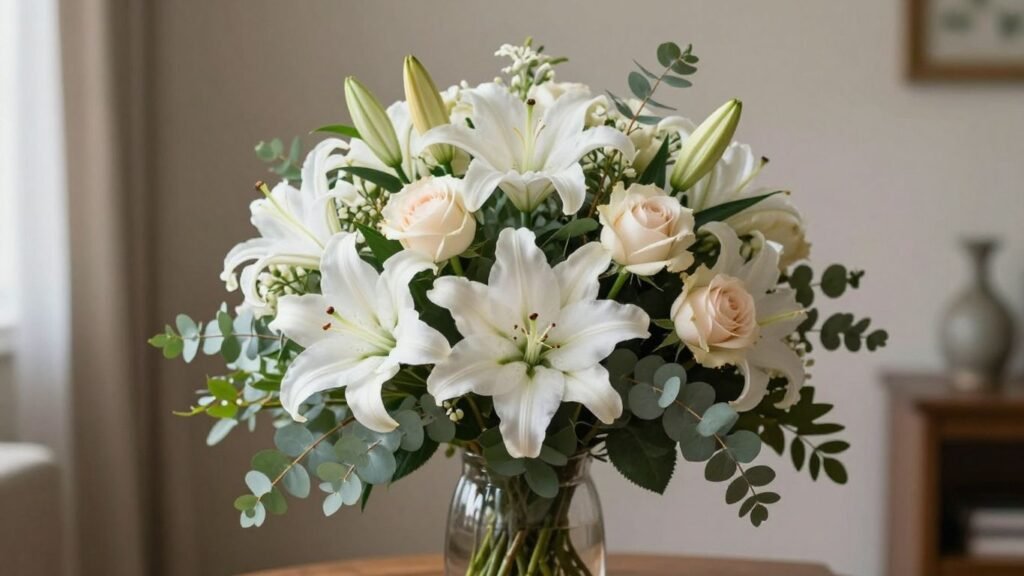
A bouquet or vase arrangement is a warm choice when flowers are being sent directly to relatives. It can sit on a dining table, sideboard, or windowsill and offer a small point of beauty amid everyday grief. Choose a manageable size, particularly if several people are already sending flowers.
Fresh flowers may need water and trimming, so a ready-to-display vase can be a considerate option. If you send a wrapped bouquet, make sure the recipient knows how soon it should be placed in water.
Casket flowers and tribute arrangements
Casket flowers are usually selected by immediate family and coordinated with the funeral director. They may cover part of the casket or be arranged around it, depending on the service and the family’s wishes. Tribute arrangements can also be shaped around a personal interest, favorite flower, or meaningful color.
Because these flowers are central to the ceremony, confirm every detail before ordering. The family may already have chosen the design, or cultural and religious customs may guide what is appropriate.
Potted plants as a lasting gesture
A potted plant can be a gentle alternative to cut flowers, especially for someone who enjoys gardening. It lasts longer and can be kept at home, planted later, or cared for as a living reminder. Select a plant that suits the recipient’s space and ability to maintain it.
The gesture should remain practical rather than burdensome. A low-maintenance plant with simple care instructions is often kinder than something delicate that needs constant attention.
Select flowers with meaningful colors and symbolism
Color can shape the feeling of an arrangement, but symbolism is personal rather than universal. White may feel calm and formal to one family, while bright flowers may better reflect a lively personality. Cultural traditions, faith, and family habits should take priority over general flower meanings.
Traditional white flowers for peace and respect
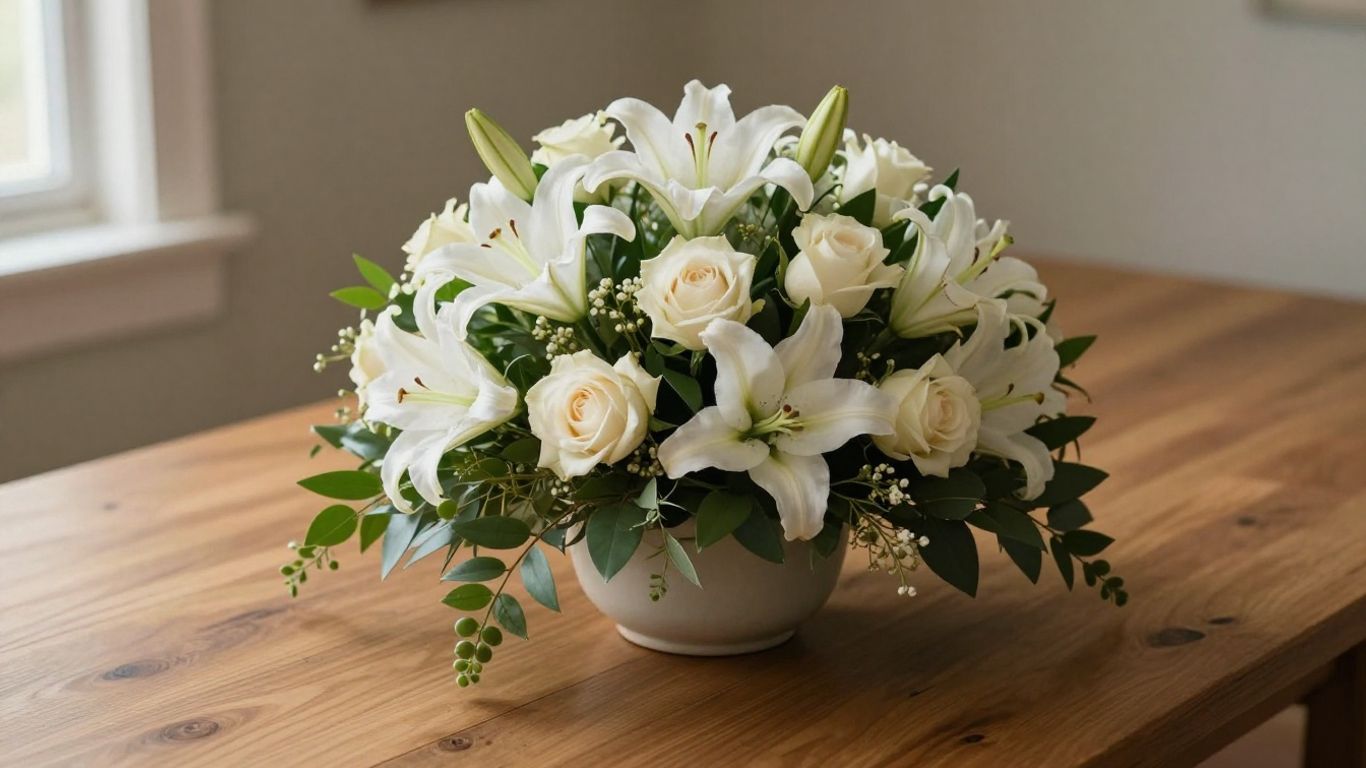
White flowers are often chosen for their calm, restrained appearance. Lilies, roses, chrysanthemums, and carnations can create a tribute that feels peaceful and respectful. Their light tones also work well in formal services and photographs.
If lilies have a strong association with funerals in your community, they may feel fitting; if the family disliked them or had another favorite flower, choose something more personal. The meaning comes from the relationship as much as from tradition.
Soft pastel blooms for comfort and tenderness
Pastel pinks, peaches, lilacs, and pale blues can create a softer arrangement for a home or memorial. These shades may feel gentle without being overly formal, particularly when combined with fresh greenery. They are also suitable when you want to express affection and comfort rather than solemnity alone.
A guide to pastel sympathy flowers may help if you are drawn to quieter colors. Keep the recipient in mind, though: the best palette is one that feels natural for the person being remembered.
Native flowers for a personal local connection
Native flowers can bring a distinctly Australian character to a tribute. Banksia, eucalyptus, wattle, and other locally familiar textures may suit someone who loved the outdoors, gardening, or the landscape around Altona. They can also make an arrangement feel less conventional while remaining dignified.
Use native elements thoughtfully and check whether their texture suits the venue. A restrained mix often works better than a crowded selection, especially when the tribute needs to be transported or displayed indoors.
Favorite flowers that reflect the loved one’s personality
A favorite bloom can say more than a traditional choice. Sunflowers may recall warmth and optimism, roses may speak to love, and orchids may suit someone with a refined or distinctive taste. Even a favorite color woven through a classic design can make the tribute feel unmistakably personal.
Personal details can matter greatly when a family is grieving. If you do not know the favorite flower, ask someone close to the person or choose a familiar seasonal bloom and explain your reason in the card.
Personalize a floral tribute in Altona
Personalization does not mean making the arrangement elaborate. It may be as simple as choosing the right color, mentioning a shared memory, or selecting flowers that belonged in the person’s garden. The goal is to make the gesture feel attentive without shifting attention away from the family.
Adding a meaningful message to the card
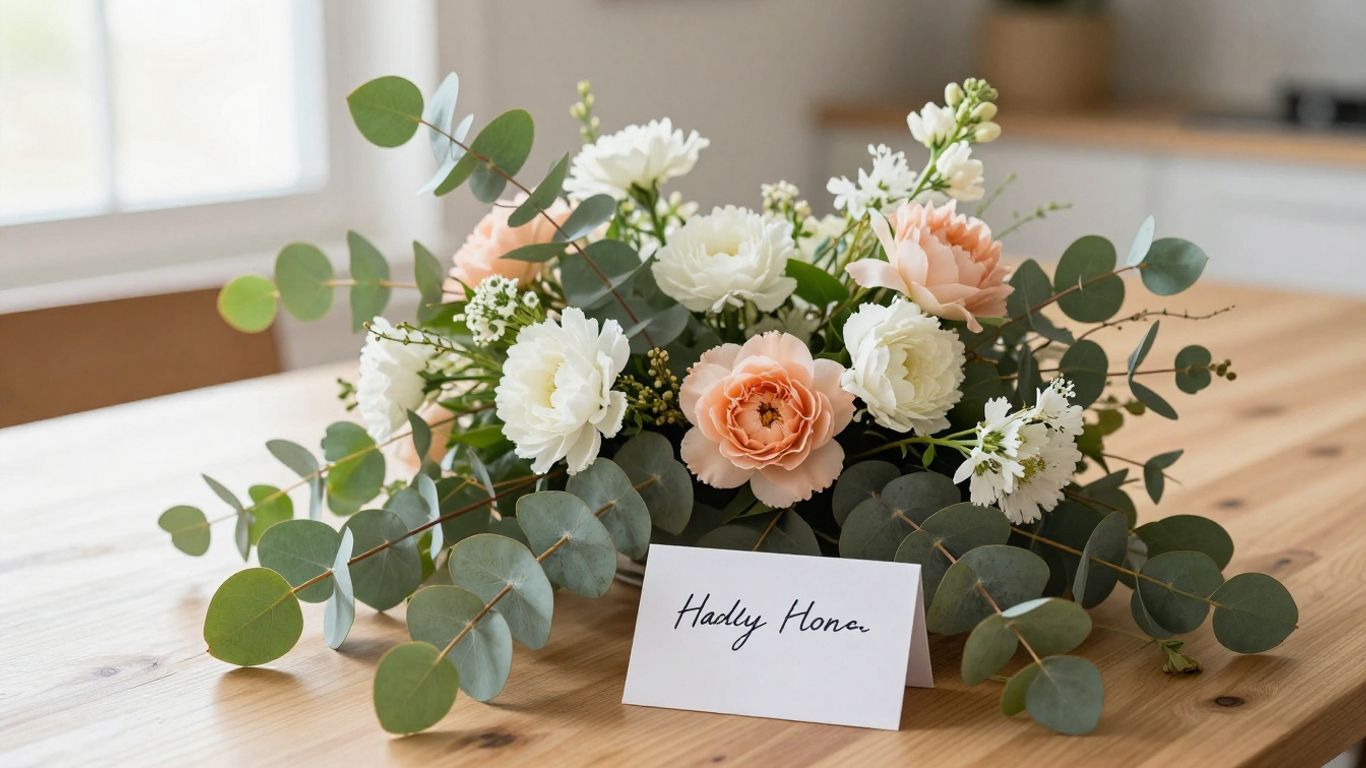
A card message can be brief and still feel sincere. “Thinking of you and remembering David with affection” is enough if you knew the person, while “I’m so sorry for your loss; I’m here whenever you need me” may be right for a close family member. Avoid trying to make grief sound positive or resolved.
Use the person’s name where it feels natural. A shared memory, a sentence about their kindness, or an offer of practical help can make the message more comforting than a general phrase.
Including family traditions, hobbies, or cultural details
A tribute may reflect a family tradition, a love of music, a favorite sport, gardening, travel, or a cultural custom. These details can guide the flowers, colors, shape, or card message. They are especially helpful when the arrangement is meant to celebrate a whole life rather than only mark a ceremony.
When customs are unfamiliar, ask a family member rather than guessing. Respectful curiosity is better than adding a detail that could be inappropriate or upsetting.
Choosing an arrangement that suits the service or home
A service arrangement can be formal and visible, while a home arrangement should usually be comfortable at a smaller scale. Consider whether there will be a viewing, a graveside service, a private memorial, or no formal gathering. The format should support the occasion rather than compete with it.
If you are sending flowers to a home, think about the recipient’s available surfaces and whether they may be caring for children, pets, or other visitors. A stable vase and a moderate size can make the gesture easier to receive.
Coordinating flowers with the family’s wishes
The family may request particular colors, flowers, or donations instead of floral tributes. Follow those wishes even when you had another idea in mind. A respectful gesture is one that supports their plans rather than adding another decision for them.
You can also coordinate with other relatives to avoid an excess of arrangements. One shared tribute, chosen with care, may be more useful than several unrelated deliveries.
Arrange flower delivery in Altona
Delivery details matter because a beautiful arrangement is only helpful if it arrives at the right place and time. Gather the recipient’s full name, address, phone number, and any instructions for access. If a service is involved, confirm its schedule before placing the order.
Selecting a florist familiar with local services
A florist who regularly handles sympathy orders may be familiar with funeral homes, churches, memorial venues, and the practical timing of services. Ask whether they can advise on the arrangement size and delivery destination. Clear communication is more valuable than choosing a design you cannot confidently coordinate.
When comparing options, check what is included in the price, whether a vase is supplied, and how the florist handles substitutions. Seasonal availability may affect the final flowers, so ask for a similar overall style rather than one exact stem.
Confirming delivery to a home, funeral home, or venue
Give the delivery location exactly as provided, including the name of the funeral home or venue and the service contact if available. Funeral homes may have designated receiving hours or instructions for labeling flowers. Homes may need a safe drop-off plan if nobody is present.
A quick confirmation call can prevent confusion. Tell the florist who the flowers are for, when they are needed, and whether they should be delivered before guests arrive.
Timing an order around the viewing or memorial
For a viewing or service, arrange delivery early enough for staff to receive and place the flowers. Last-minute orders may have fewer flower choices, especially during busy periods. For a home delivery, timing can be more flexible, but it is still considerate to avoid very early or late arrival.
Use this simple preparation list before confirming the order:
- Verify the service or memorial date and start time.
- Confirm the complete delivery address and recipient name.
- Ask about venue receiving hours and placement instructions.
- Provide a phone number for practical delivery questions.
After these details are checked, the florist can focus on preparing the arrangement rather than resolving avoidable errors. Keep the order confirmation accessible until delivery is complete.
Checking delivery details for Altona and nearby suburbs
Altona addresses can be confused with nearby suburbs, particularly when a funeral home or family address has a similar street name. Check the suburb, postcode, unit number, and any building access instructions. If the flowers are going beyond Altona, confirm that the delivery area is covered before paying.
A local delivery guide for Altona Meadows can be useful when a family or venue is just outside Altona. Always treat the final address supplied by the family or venue as the authority.
Manage the etiquette and practical details
There is no fixed price that makes a sympathy gesture meaningful. Your relationship with the family, your budget, and the type of arrangement all matter. What counts most is choosing with care and respecting the wishes of those closest to the loss.
How much to spend on sympathy flowers
Spend an amount that feels comfortable rather than stretching your finances. A small bouquet, a shared arrangement with friends, or a potted plant can all be appropriate. Immediate family may choose a larger tribute, while colleagues and acquaintances often send modest flowers or contribute together.
Price should not be treated as a measure of love. A thoughtful card and a suitable arrangement matter more than size or extravagance.
Whether to send flowers directly to the family
Sending flowers to the family home is often appropriate when you want to offer personal support outside the service. It can be especially welcome several days later, when visitors have gone and the household feels quiet. Check first if you know the family may be away or if their home has limited space.
If you are uncertain, ask a relative where flowers should be sent. A funeral home, workplace, or memorial venue may be more suitable in some circumstances.
What to do when the family requests charitable donations
A request for donations should be followed rather than ignored. You can donate to the named organization and send a card explaining that you have done so. If you still want to offer flowers, ask whether a small arrangement would be welcome or choose flowers for the family home only if they agree.
The family’s request may reflect the person’s values or a cause that mattered to them. Respecting it is itself a meaningful expression of sympathy.
Caring for flowers after they arrive
Trim a little from the stems, place the flowers in clean water, and keep them away from direct heat and strong sunlight. Remove fading blooms as needed and change the water regularly. For a plant, follow the care instructions and choose a stable position with suitable light.
These small steps help the tribute remain fresh for longer. If the recipient is overwhelmed, a friend or relative can quietly take responsibility for basic care without making it another task to discuss.
Conclusion
Flowers cannot remove grief, but they can make support visible when words are hard to find. By choosing an arrangement that suits the setting, adding a personal message, and confirming delivery carefully, you can offer a considerate tribute to a loved one and the people carrying the loss.
Frequently Asked Questions
Are flowers appropriate for every funeral or memorial?
Not always. Some families request donations, prefer no flowers, or follow cultural and religious customs that guide floral choices. Check the family’s notice or ask someone close to them before ordering.
Should sympathy flowers go to the home or the funeral service?
Either can be suitable. Send service flowers when you want to contribute to the ceremony, and choose a home arrangement when you want to offer a more personal gesture. Confirm the preferred destination first.
What flowers are traditional for a funeral?
White lilies, roses, chrysanthemums, and carnations are common traditional choices because their pale colors can create a peaceful, respectful appearance. Personal preferences and cultural customs should guide the final choice.
Can I send colorful flowers after a death?
Yes. Bright or pastel flowers may be especially fitting when they reflect the loved one’s personality, favorite colors, or love of gardening. Color is a personal decision, not a strict etiquette rule.
What should I write on a sympathy card?
Keep the message short, sincere, and specific where possible. Express your sorrow, mention the person by name, share a gentle memory, or offer practical support without pressuring the family to reply.
How far in advance should funeral flowers be ordered?
Order as soon as you know the service details, particularly for a large tribute or a busy period. Early ordering allows time to confirm the venue, delivery instructions, and any preferred flowers or colors.
What is a thoughtful alternative to cut flowers?
A low-maintenance potted plant, a donation requested by the family, or a shared arrangement can all be considerate alternatives. Choose the option that best matches the family’s wishes and practical circumstances.