Key Takeaways
A thoughtful sympathy arrangement is guided by the family, the setting, and the message you want to send. There is no single flower or size that suits every loss.
- Choose flowers and colors with the family’s preferences and customs in mind.
- Match the arrangement to its destination: a home, a service, or a smaller personal gesture.
- Check for requests for donations or other ways to honor the deceased.
- Keep your card simple, sincere, and clear about who sent it.
- Confirm the address and delivery timing before placing an order.
Choose flowers that express your condolences
If you are wondering what flowers for sympathy Altona families might send, begin with the people receiving them, rather than a fixed rule about the “right” bloom. Flowers can offer a quiet expression of care, but personal preferences and family customs matter more than convention. Consider what the person who died enjoyed, if you know, and how formal or personal the gesture should feel. A thoughtful, uncomplicated choice is often enough.
When to choose lilies, roses, or chrysanthemums
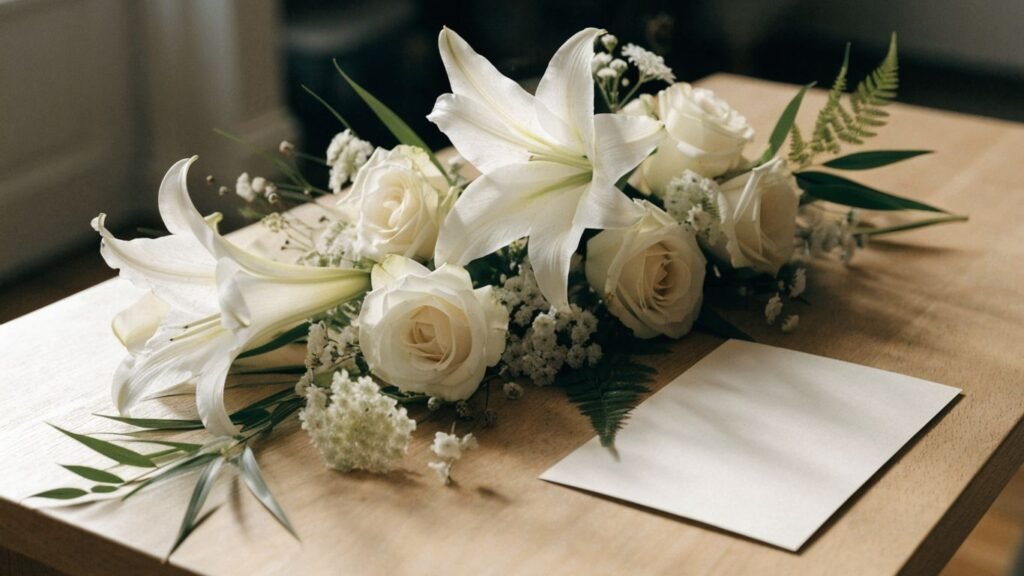
Lilies, roses, and chrysanthemums are familiar choices for sympathy arrangements, but their meaning can vary by family and culture. A soft lily arrangement may suit a calm, formal tribute; roses can feel personal when their color or variety recalls someone’s tastes. Chrysanthemums are also used in some funeral traditions, so it is worth considering local and family customs before choosing them.
Rather than relying on a flower’s supposed universal meaning, think about what the recipient will see and feel when the arrangement arrives. If you are uncertain, a mixed bouquet in gentle tones can be a considerate option without making a strong symbolic statement.
What different flower colors can convey
Color can shape the mood of an arrangement, though it does not have one fixed interpretation everywhere. White and pale shades often create a quiet, restrained look; soft pinks and yellows may feel warmer, while deeper colors can make a more personal tribute. The family’s preferences are a better guide than a color code.
This quick guide can help you think through the impression you want the flowers to make, while leaving room for personal taste and custom.
| Color choice | Possible impression | A useful consideration |
|---|---|---|
| White or cream | Calm and understated | A natural fit when you are unsure of the family’s preferred colors |
| Soft pink | Gentle and warm | Consider whether it suits the person being remembered |
| Yellow or peach | Bright and personal | Best chosen with the recipient’s preferences in mind |
| Deep or mixed tones | Distinctive and expressive | Ask whether a more vivid tribute feels appropriate |
These are starting points, not rules. A favorite flower or color can be more meaningful than a traditional choice, and a florist can help you select a balanced combination if you have a preference but not a particular design in mind.
How to select flowers when you did not know the deceased well
When you did not know the person well, a modest arrangement in gentle, seasonal colors is a respectful choice. You do not need to invent a personal connection or choose a flower based on assumptions. Instead, acknowledge the family’s loss and choose something appropriate for the setting.
You can also ask a mutual friend or relative whether the family has shared any preferences. If that is not possible, keep the gesture simple and let your card carry the personal sentiment.
Match the arrangement to the occasion
The destination often helps determine the kind of arrangement to send. Flowers for a family home can be a private gesture of support, while flowers for a service may be part of a shared tribute. A smaller bouquet or arrangement can also express care without taking up much space. Before choosing, consider who will receive the flowers and where they will be placed.
Bouquets for a family home
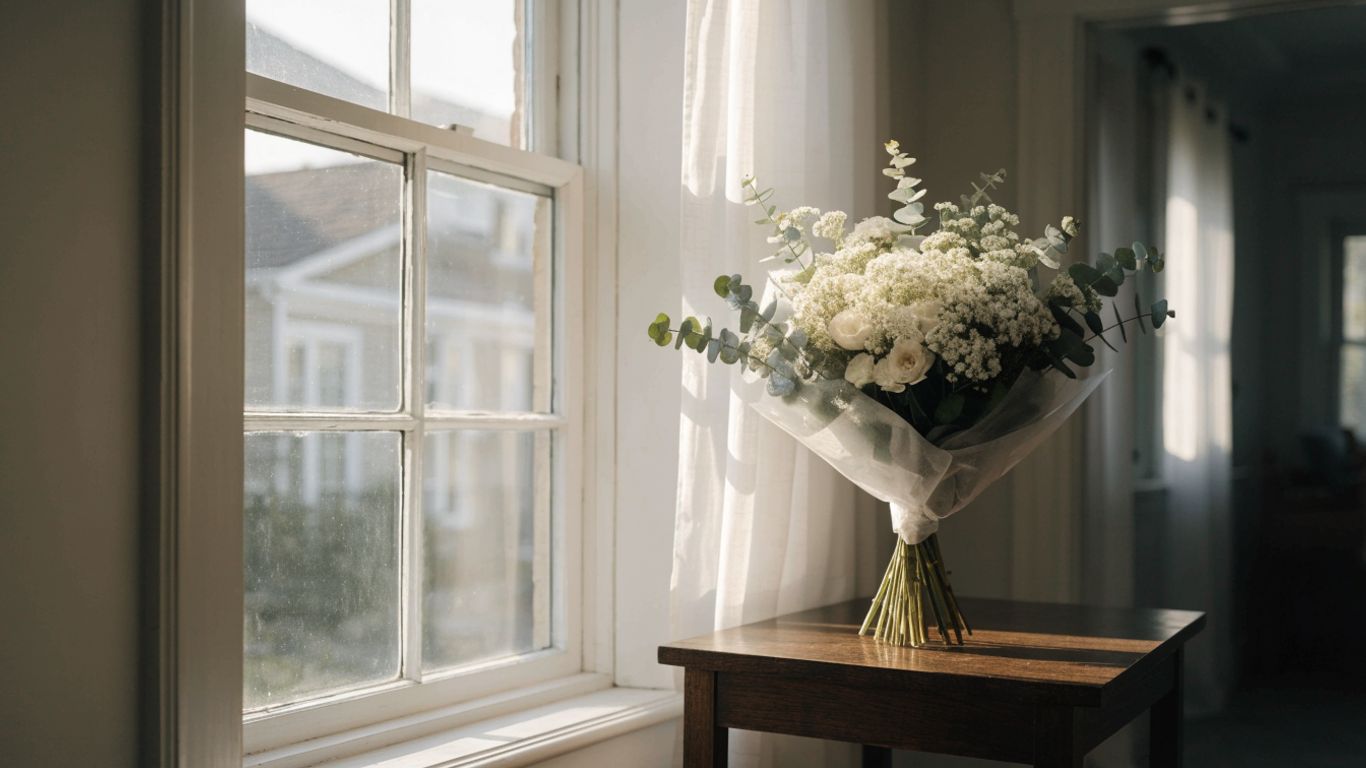
A bouquet or compact arrangement can suit a family home, where the gesture is meant for the people receiving it rather than a formal display. Choose a size that can be placed comfortably in a living area, and consider whether the recipient will have time and space to care for the flowers. A simple design can feel warm without becoming another task.
If you are looking at local options, sympathy and funeral flower choices may help you think about arrangements for different settings. Let the family’s needs and the delivery destination guide the final selection.
Wreaths and sprays for a funeral service
Wreaths and sprays are commonly associated with services and other formal gatherings, where an arrangement may be displayed alongside tributes from others. Before choosing one, confirm that the family welcomes flowers at the service and ask where they should be sent. The venue may have practical guidance about placement or delivery that affects which style is suitable.
The shape and scale of a tribute can also depend on your relationship with the family and the deceased. A service arrangement need not be elaborate to be sincere; a restrained design can still feel respectful.
Smaller arrangements for a personal message of support
A smaller arrangement can be a good choice when you want to offer support without making a grand gesture. It may suit a close friend’s home, a shared office, or a later visit, provided the recipient is comfortable receiving flowers. The message and timing can make a modest bouquet feel personal.
For readers comparing very different kinds of thoughtful gestures, practical Tesla gift ideas offer a separate example of choosing something with a recipient in mind. Here, the same basic consideration is best applied by focusing on what the bereaved person would actually welcome.
Consider the family’s wishes and traditions
A family’s request should take precedence over general ideas about what people usually send. Some may welcome flowers, while others prefer a donation, a private message, or no delivery at all. Traditions also vary between families and communities, so it is sensible to check rather than assume. A little care beforehand can make the gesture more comfortable for everyone.
Check for requests for donations instead of flowers
Read the notice or service information for a request about flowers, donations, or another way to honor the person. If the family asks for donations instead, follow that request; sending flowers as well may not be the most considerate choice. When the notice is unclear, a relative or close friend may be able to confirm what would be welcome.
If flowers are not requested, you can still express sympathy with a card or a personal message. The gesture does not need to be floral to show that you are thinking of the family.
Respect cultural and religious customs
Customs around flowers, colors, timing, and funeral services differ, and there is no single practice that applies to everyone. Avoid assuming that a tradition belongs to a person based only on their background. When you have a specific concern, ask someone close to the family or follow the guidance provided for the service.
The same respect for individual preferences applies in many settings, including when families consider music learning options for a child. For a sympathy tribute, though, the family’s own guidance is the one that matters.
Ask about preferences when you are unsure
A brief, considerate question can prevent an unwanted delivery. You might ask whether flowers are welcome, which address is best, or whether the family has a preferred style. If you are contacting someone who is grieving, keep the question easy to answer and do not ask them to make a long list of decisions.
When asking is not practical, choose a restrained arrangement and avoid strong assumptions about color or symbolism. General guides to sympathy flowers for an Altona service can offer ideas, but they cannot replace a family’s stated wishes.
Choose an appropriate size and style
An arrangement should feel proportionate to the relationship and comfortable in its destination. A larger display may suit a formal service, while a small bouquet can be more practical for a home or personal visit. Style matters too: some families appreciate a traditional design, while others may prefer something simple or more reflective of the person’s character. Let the setting and the recipient guide the decision.
Match the arrangement to your relationship with the family
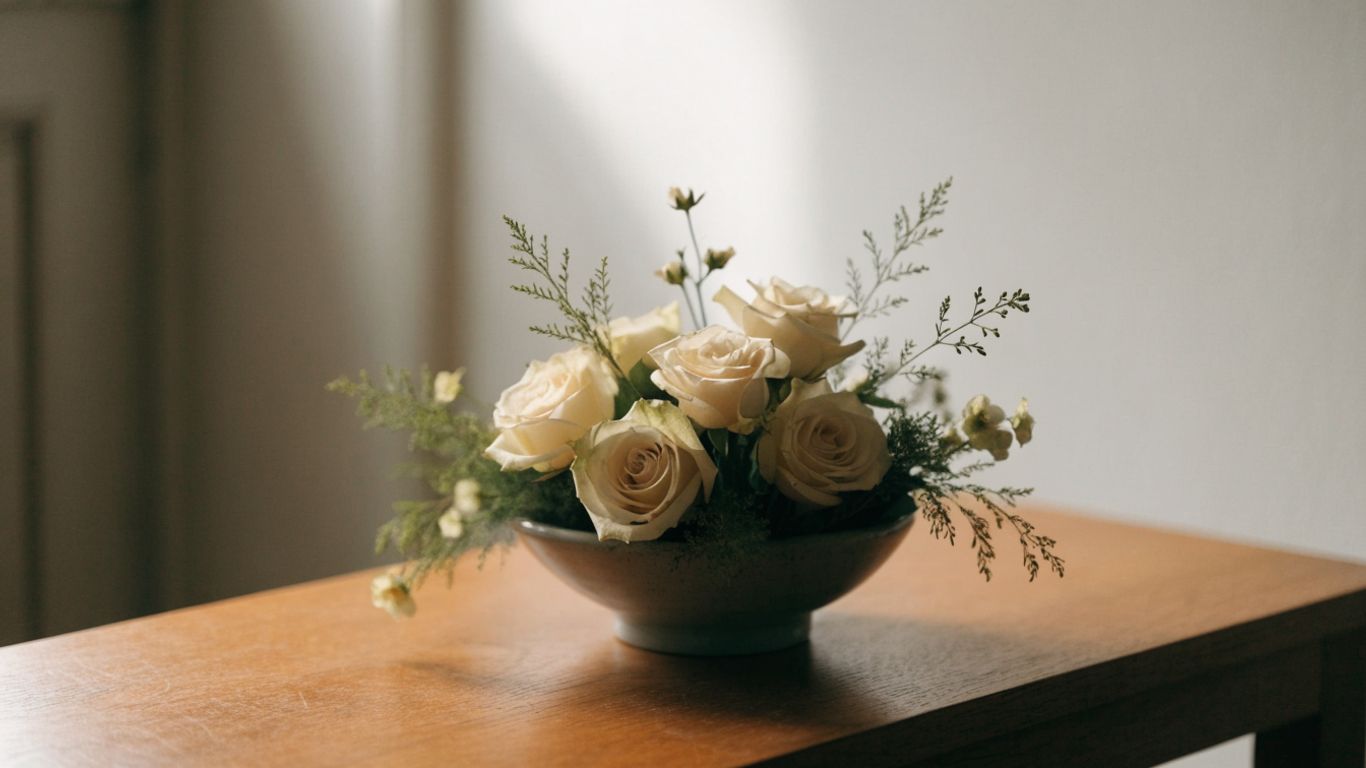
Your relationship can help you choose a tone, but it does not have to determine a particular price or size. A close friend might choose flowers that recall a shared preference, while a colleague or acquaintance may send a modest, neutral arrangement. The thought behind the gesture matters more than trying to match what others have sent.
If the family has many visitors or is receiving several tributes, a smaller arrangement may be easier to manage. A sincere card can make even a simple choice feel personal.
Consider the setting and available display space
A home, service venue, and memorial gathering can each call for different dimensions. Think about table space, the number of other tributes expected, and whether the arrangement needs to be moved after delivery. If the venue is involved, confirm where flowers can be placed rather than guessing.
Descriptions of home and service arrangements can help you compare the kinds of settings an arrangement may suit. Ask the florist about the finished size if you need to keep the display compact.
Keep the design understated when the occasion calls for it
A quiet design is often suitable when you are unsure what the family prefers or when the service has a formal tone. That does not mean every tribute must be white or traditional; it means choosing a composition that feels considered rather than showy. If the person had a favorite flower or color, a subtle reference may be more personal than an elaborate display.
You can also look at wreath and spray options while deciding what feels appropriate for a service or residence. Keep the arrangement in proportion to the setting and the family’s wishes.
Add a personal message
A card gives the flowers context and lets the recipient know who is thinking of them. It does not need to explain grief or find perfect words. A brief expression of sympathy, a gentle offer of support, or a small memory can be enough. Write in your own voice, and keep the focus on the family and the person they have lost.
Write a brief, sincere condolence card
Use plain, kind language rather than trying to make the loss feel smaller or find a lesson in it. You might say that you are sorry for their loss, that you are thinking of them, or that you are available to help with something specific. Avoid promises you cannot keep and keep the note as short as the situation calls for.
The goal is not to produce a perfect message. A direct, sincere note is usually more comforting than a long explanation.
Share a memory without assuming how the family feels
If you knew the deceased, a brief memory can help the family remember a particular kindness, habit, or moment. Keep it gentle and avoid speaking for the family or telling them how they should feel. If you did not know the person, a straightforward message of care is entirely appropriate.
For a personal touch, you can make the wording sound like you rather than relying on a formal template. A personalized home-cooking story is a reminder that details make a story individual; in a condolence note, choose only a memory you can share honestly and kindly.
Sign the card clearly so recipients know who sent it
Include your full name, especially if the recipient may know you through work, a group, or a shared friend. If flowers are from several people, make sure the names are easy to read and agree on the wording in advance. Clear identification prevents the family from having to guess who sent the arrangement.
Keep any additional message simple. A legible signature and a direct expression of sympathy are more useful than a crowded card.
Arrange flower delivery in Altona
Delivery details are part of the gesture, especially when flowers are intended for a service or a family who may not be at home. Confirm the destination, the timing, and any instructions before ordering. If a service venue is involved, use the exact location and check who can accept the flowers. You can also compare Altona flower delivery guidance as you prepare the practical details.
Confirm the service or delivery address
Check whether the flowers should go to a family home, a funeral venue, or another location. Confirm the full address and the recipient’s name, and ask whether the venue needs a particular entrance or contact person. A small address error can create stress on a day when the family has plenty to manage.
If details are being shared among relatives, pass along the final delivery information clearly. Local business information also depends on clear location details, as discussed in local visibility guidance; for a flower delivery, accuracy is simply a practical courtesy to the recipient.
Check delivery timing with the florist
Ask the florist whether the requested timing is possible and share the date and time of the service, if relevant. Avoid assuming that a particular delivery window is available. If the flowers are for the family’s home, consider whether someone will be there to receive them or whether another arrangement would be more convenient.
If timing changes, let the florist know as soon as you can. Clear details help the delivery fit the family’s plans rather than adding uncertainty.
Include contact details and instructions for the recipient
When you place an order, provide a phone number for any delivery questions and add concise instructions if they are needed. You can check the details in a simple sequence before confirming:
- Verify the recipient’s name and complete address.
- Provide the service date and relevant delivery time.
- Add a contact number for delivery questions.
- Include any venue or access instructions that have been confirmed.
A clear handoff can be useful in other kinds of delivery too, such as preparing stems for mastering with the necessary details. For sympathy flowers, the practical version is straightforward: make the recipient, place, and timing easy to understand, then keep a copy of the confirmation.
Conclusion
Choosing sympathy flowers in Altona does not require a perfect formula. Consider the family’s wishes, the setting, and the person being remembered; then choose an arrangement and message that feel sincere. Confirming delivery details completes the gesture with care.
Frequently Asked Questions
What flowers are appropriate to send for sympathy?
Lilies, roses, chrysanthemums, and mixed seasonal flowers are all possibilities, but family preference and cultural customs should guide the choice. When uncertain, a modest arrangement in gentle colors is a considerate starting point.
Are white flowers always the best choice for sympathy?
No. White flowers can create a calm, understated look, but they are not the only suitable option. A favorite color or flower may feel more personal, provided it fits the family’s wishes.
Should I send flowers to the family’s home or the funeral service?
Choose according to the family’s request and the purpose of your gesture. Home flowers offer support to the family privately, while service tributes are intended for a shared gathering; confirm the correct address before ordering.
What if the family asks for donations instead of flowers?
Respect the request and make a donation if that is what the family has asked for. You can still send a short condolence card or message if appropriate.
Is it appropriate to send a small sympathy arrangement?
Yes. A smaller arrangement can be a thoughtful gesture, particularly when space is limited or you want to offer support without a formal display. Sincerity matters more than size.
What should I write on a sympathy flower card?
Keep the note brief and honest. Express your condolences, say that you are thinking of the family, or share a gentle memory if you knew the person.
How can I make sure sympathy flowers arrive at the right time?
Confirm the complete address, the service date or preferred delivery window, and any venue instructions. Check timing with the florist rather than assuming a particular slot is available.