Key Takeaways
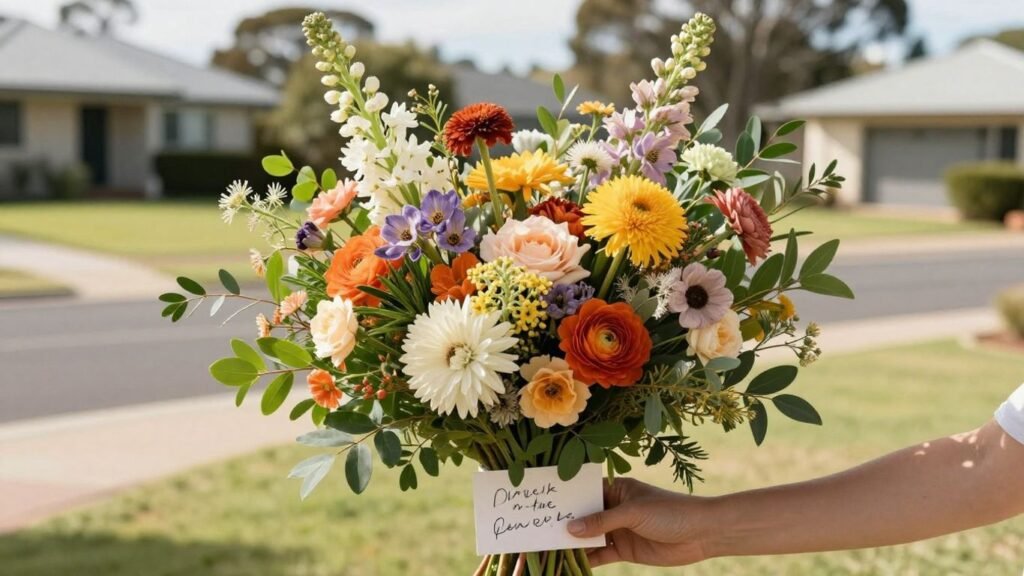
A thoughtful bouquet can offer comfort, encouragement, and a small change of scenery when someone is having a difficult day.
- Choose flowers according to the recipient’s personality, needs, and space.
- Bright colors can feel cheerful, while softer tones may suit recovery or sympathy.
- Freshness, delivery timing, and presentation matter as much as flower variety.
- A personal card or small companion gift can make the gesture feel more intentional.
- Confirm the address, delivery window, and any fragrance or pet-safety concerns before ordering.
Understanding how flowers can brighten someone’s day
Flowers are a simple way to say that someone is on your mind, particularly when a conversation or visit is not possible. Their color, scent, and changing form can bring a little life into an ordinary room. The best cheering up flowers Altona sends are not necessarily the biggest or most expensive; they are the ones that feel considered. Start with the person, then choose the bouquet.
Why color, fragrance, and freshness influence mood
Color creates the first impression. Yellow, coral, orange, and lively pink can feel energetic, while white, cream, lavender, and pale blue tend to create a calmer atmosphere. Fragrance can be comforting, although a strong scent may not suit everyone, and fresh stems make the entire gesture feel more cared for.
A bouquet also changes as it opens, giving the recipient something to notice over several days. That quiet, unfolding quality is part of its charm. If you know the person enjoys a particular flower or color, that small detail can matter more than following a traditional rule.
Choosing flowers for emotional support without overwhelming the recipient
Emotional support does not need to arrive as an enormous arrangement. Someone who is tired, unwell, or grieving may prefer a neat posy that fits beside a bed or on a kitchen table. Consider the recipient’s energy, available space, and likely ability to change water or trim stems.
For a person who is sensitive to scent, ask for a low-fragrance mix. For someone with limited mobility, a vase arrangement may be more practical than flowers wrapped tightly in paper. A manageable gesture often feels more generous because it is easy to enjoy rather than another task to complete.
Matching the bouquet to your relationship
The relationship helps set the tone. A bright mixed bouquet can suit a friend, colleague, or sibling, while a more personal selection may be right for a partner or close family member. If the message is friendly rather than romantic, steer away from a heavily red-rose arrangement unless that symbolism is genuinely appropriate.
You can also let the recipient’s character guide the style. Playful people may enjoy unusual colors and varied textures; someone understated may prefer a simple arrangement with a few excellent stems. The thought behind the choice should be clear without making the recipient decode it.
When flowers are helpful and when to include another gesture
Flowers can open a door to connection, but they are not a substitute for practical support or a sincere conversation. If someone is having a difficult week, pair the bouquet with a call, a meal, help with errands, or a promise to check in again. A small, useful gesture can make the flowers feel grounded in real care.
For readers exploring non-material ways to give, the Experience First Framework offers another perspective on gifts that create memories rather than clutter. The idea translates well here: choose something that reflects what the person may actually welcome.
Choosing the right flowers for the occasion
The occasion gives you a starting point, but it should not dictate every detail. Encouragement, celebration, recovery, and sympathy each call for a slightly different emotional volume. Think about what you want the recipient to feel when the flowers arrive, then choose a style that supports that feeling. A reliable local service such as Altona flower delivery can also help when timing is part of the message.
Cheerful blooms for a friend who needs encouragement
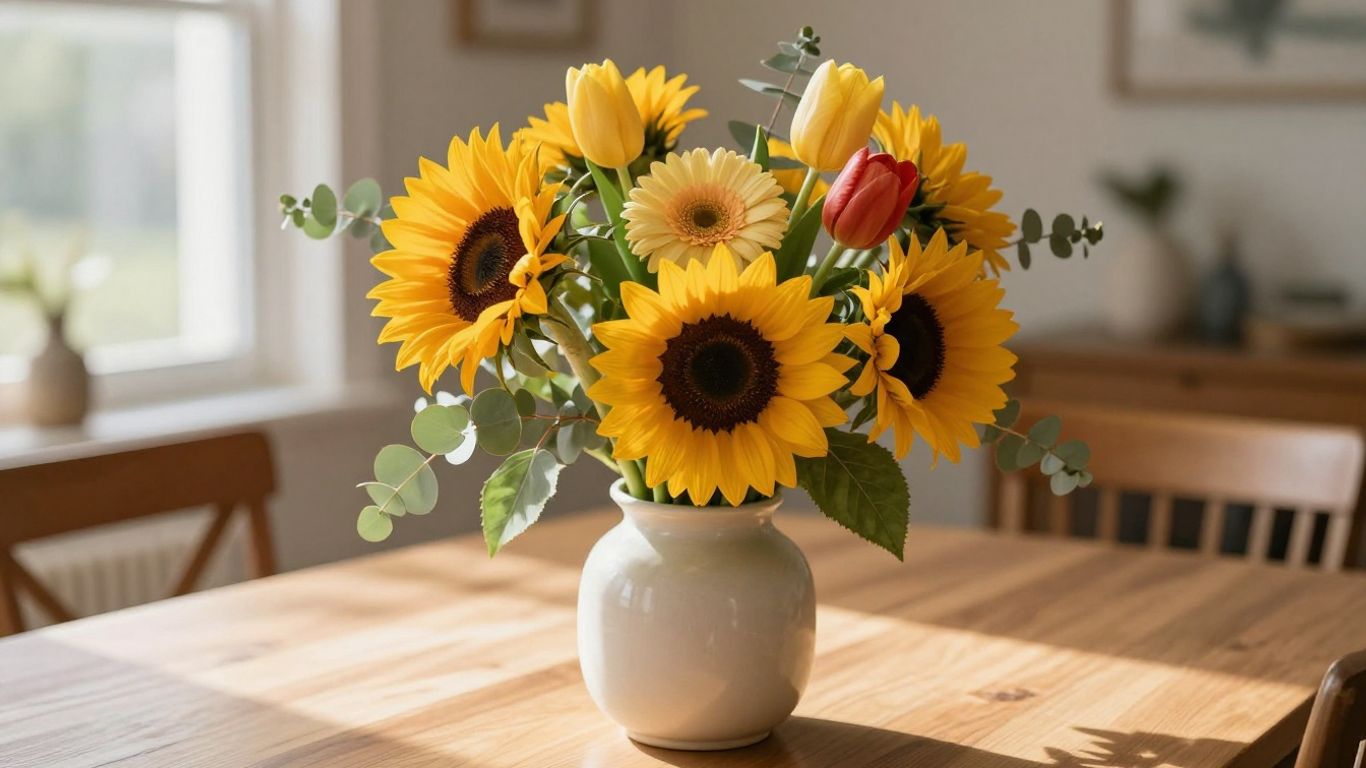
For encouragement, look for flowers with movement and warmth: sunflowers, gerberas, tulips, chrysanthemums, or a mixed seasonal bouquet. A combination of yellow, orange, pink, and fresh green can feel hopeful without being overly formal. Avoid making the arrangement so elaborate that the gesture seems serious or ceremonial.
A short card works well here. “Thinking of you,” “One day at a time,” or “Here whenever you need me” leaves room for the recipient’s feelings. The flowers do not have to solve anything; they simply remind the person that they are not facing the week alone.
Thoughtful arrangements for birthdays and milestones
Birthdays and milestones allow more playfulness. Choose the recipient’s favorite color, a flower connected to a shared memory, or a design that matches their home. The Altona flower guide is a useful starting point for considering seasonal bouquets and arrangements for different occasions.
For a milestone, a fuller arrangement can create a sense of occasion, while a petite vase may be better for a quiet achievement. Adding the date or a line about what you admire makes the gift personal without turning the card into a long speech.
Gentle flowers for someone recovering at home
Recovery arrangements should be easy to live with. Choose flowers that can sit securely on a bedside table or windowsill, preferably in a stable vase, and avoid excessive foliage if the recipient has limited space. Soft pinks, whites, lilacs, and pale yellows can create a restful look.
It is worth asking whether the person has allergies or dislikes strong fragrance before ordering. If a family member is helping with care, a low-maintenance arrangement may be especially considerate. The flowers should add pleasure, not another household responsibility.
Sympathy-sensitive choices for difficult moments
Sympathy flowers call for restraint and sincerity. White, cream, soft green, and muted pastel arrangements are traditional choices, but a favorite flower or color may be more meaningful if you knew the person well. Keep the message warm and direct rather than trying to explain grief.
For a funeral or memorial, check whether the family has requested particular flowers or donations instead. For someone grieving at home, a smaller arrangement with a personal note can be less formal. When you are unsure, ask a close relative what would feel appropriate.
Selecting colors, flowers, and bouquet styles
There is no single perfect flower for cheering someone up. The strongest choice usually balances color, season, scent, longevity, and the recipient’s surroundings. A florist can suggest substitutions when a particular stem is unavailable, so focus on the mood and shape you want rather than treating one flower as essential. Seasonal options can also make a bouquet feel more connected to Altona.
Bright colors that create an uplifting impression
Warm colors tend to feel lively and welcoming. Yellow can suggest optimism, orange adds energy, and pink brings softness without losing cheer. A little blue, white, or green can keep a vivid arrangement from becoming visually tiring.
If the recipient’s home has neutral furnishings, bright flowers may become a welcome focal point. In a colorful room, a quieter palette could be more harmonious. Look at the space as well as the person when making the final choice.
Popular blooms for cheerful arrangements
Sunflowers, gerberas, tulips, roses, lilies, carnations, and chrysanthemums can all work in cheerful arrangements, depending on the season and the recipient’s preferences. Mixed bouquets offer variety, while a single-flower design creates a clearer visual statement. Be mindful that lilies can be highly fragrant and their pollen may be inconvenient in some homes.
Use the following as a quick way to connect flower choices with the feeling you want to create:
| Flower or style | General impression | Useful consideration |
|---|---|---|
| Sunflowers | Warm and optimistic | Best for a confident, sunny gesture |
| Gerberas | Playful and colorful | Often suits friends and younger recipients |
| Tulips | Fresh and uncomplicated | A good choice for a clean, modern look |
| Native textures | Natural and distinctive | Can suit someone who prefers earthy styling |
These are starting points rather than strict meanings. A favorite flower, a shared memory, or a color the recipient wears often carries more weight than a traditional flower dictionary.
Native flowers and seasonal Altona options
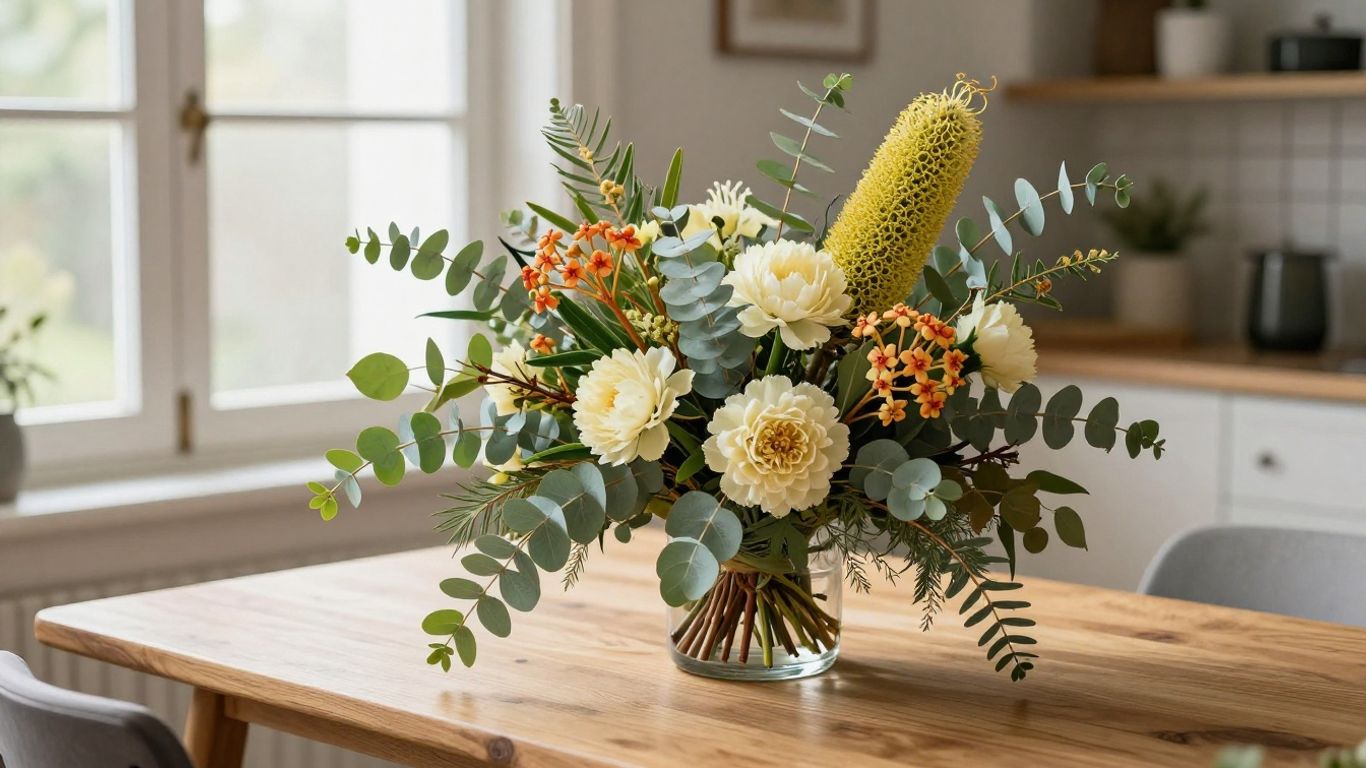
Native flowers can bring texture, shape, and a distinctly Australian feel to a bouquet. Banksia, eucalyptus, waxflower, and other seasonal foliage may suit someone who prefers relaxed, natural arrangements. Ask what is fresh and available rather than insisting on a stem that is out of season.
Seasonal flowers are often a sensible choice because they are selected when they are naturally at their best. They can also make the arrangement feel connected to the time and place it was sent. If you are sending across nearby western suburbs, the Altona North delivery option may be relevant when checking local availability.
Hand-tied bouquets, boxed flowers, and vase arrangements
A hand-tied bouquet is attractive and flexible, but the recipient will need to trim the stems and find a vase. Boxed flowers can be convenient and gift-like, while a vase arrangement is ready to place and enjoy immediately. Choose based on the recipient’s energy, space, and access to basic flower care.
For a workplace, a compact hand-tied design may travel well and avoid taking over a desk. For a home recovery gift, a vase arrangement is often easier. Presentation is not merely decorative; it affects how quickly the recipient can enjoy the flowers.
Finding a reliable florist in Altona
A dependable florist should make the process clear from selection through delivery. Look for current photographs, useful product descriptions, straightforward contact details, and clear information about substitutions. If the recipient is in a nearby suburb, confirm the service area rather than assuming every address is covered. The Altona delivery service can be another reference point when comparing local arrangements and delivery details.
What to look for in local flower delivery services
Check whether the florist explains how arrangements may vary with seasonal availability. A good listing should give you a realistic sense of size, color, container, and overall style. Delivery instructions, fees, card options, and contact methods should be easy to find before payment.
A local florist may also be able to answer practical questions that a standard online form cannot. Ask about fragrance, substitutions, hospital rules, or a particular delivery location before placing the order. Clear answers are a useful sign of attentive service.
Comparing freshness, arrangement quality, and customer reviews
Freshness is reflected in upright stems, clean water, firm petals, and foliage without excessive browning. Online photographs can help, but reviews may reveal whether the delivered arrangement generally matches its description. Read for patterns rather than relying on one dramatic compliment or complaint.
Pay attention to comments about communication, packaging, delivery condition, and how concerns were handled. A beautiful catalogue image matters less if the service cannot communicate when plans change. If you are comparing options, assess the whole experience rather than price alone.
Checking delivery coverage across Altona and nearby suburbs
Delivery coverage can vary between Altona, Altona North, Altona Meadows, and surrounding western suburbs. Enter the exact address early in the ordering process, especially for apartments, workplaces, care facilities, and large residential complexes. A short note about entrances or reception desks can prevent unnecessary delays.
If the gift is meant for someone outside the immediate area, confirm the suburb, delivery fee, and any restrictions before choosing the arrangement. For a gesture beyond flowers, thoughtful gifts in Altona Meadows may offer ideas such as edible treats or keepsakes when that better suits the recipient.
Understanding same-day delivery cutoffs and availability
Same-day delivery is useful when encouragement cannot wait, but it depends on the florist’s workload, delivery route, payment time, and the destination. Cutoff times may change on weekends, holidays, or busy floral occasions. Always check the current ordering page rather than relying on a remembered deadline.
If same-day service is unavailable, a next-day arrangement can still feel thoughtful when paired with a warm message. Order earlier when possible, and give the florist enough information to contact you if a substitution is needed.
Personalizing a flower delivery
Personalization is often less about adding expensive extras and more about showing that you know the recipient. A preferred color, a familiar flower, or a message written in your natural voice can make a standard arrangement feel individual. Keep the recipient’s habits and home in mind before adding anything else.
Adding a meaningful card message
A good card message is specific, brief, and sincere. Mention a shared memory, acknowledge what the person is going through, or offer practical companionship. Avoid forced positivity if the recipient is grieving or unwell; “I’m thinking of you, and I’m here” can be more comforting than a cheerful slogan.
Write as though you are speaking directly to the person. That usually produces a warmer result than copying a formal message. If several people are sending flowers together, include each name clearly so the recipient knows who is thinking of them.
Including chocolates, balloons, or a small gift
A companion gift can suit the occasion, but it should not compete with the flowers. Chocolates may work for a celebration, a small balloon can add birthday energy, and tea, a book, or a handwritten note may suit a quiet recovery. Check dietary needs and preferences first when possible.
For someone who already has plenty of possessions, a personal or experience-based gesture may be preferable. The Mera accommodation guide, although focused on a different kind of thoughtful arrangement, is a reminder that comfort and usefulness can shape a meaningful gift.
Choosing a size that suits the recipient’s space
Large bouquets create immediate impact but need a large, stable surface. A compact posy may be better for a bedside table, small apartment, office desk, or shared hospital room. Consider whether the recipient has a vase and enough room to move around the arrangement.
When in doubt, choose medium rather than maximum. A well-proportioned bouquet can still look generous, and it is easier to place where the recipient will see it often. The most successful size is the one that fits naturally into daily life.
Requesting pet-safe or fragrance-sensitive flowers
If the recipient has pets, children, asthma, or fragrance sensitivity, mention it before ordering. Some flowers can be unsafe for animals, and strongly scented stems may cause discomfort. Ask the florist for suitable alternatives and keep the arrangement out of reach until you know every stem is appropriate.
This is also a good reason to avoid surprise substitutions. Clear notes help the florist protect the recipient’s comfort while preserving the intended color and overall feeling. Thoughtfulness includes the details that are not visible in a photograph.
Planning delivery for the best emotional impact
Timing can turn a pleasant gift into a memorable one. A bouquet that arrives before a difficult appointment may offer reassurance, while flowers delivered after a milestone can give the recipient a moment to pause. Plan around the person’s day, not only the florist’s available calendar.
Choosing the right day and delivery time
Think about when the recipient is most likely to be home, relaxed, and able to enjoy the flowers. A workplace delivery can be lovely for a celebration but awkward if the person is travelling or working in a restricted area. For a private message, home delivery may offer more space and privacy.
Avoid sending a delicate arrangement immediately before a long absence. If the recipient will be away, choose a delivery date that allows them to receive and care for the flowers. A small delay is better than flowers waiting unattended.
Confirming the recipient’s address and availability
Double-check the street number, suburb, unit, access code, phone number, and recipient name. Workplaces and hospitals may need a department, ward, reception desk, or patient identification detail. Ask whether the recipient has moved, especially if the order is a surprise.
If no one may be present, provide clear authority for a safe drop-off only when appropriate. Otherwise, a phone call from the florist can prevent the bouquet from being left somewhere hot, exposed, or difficult to find.
Preparing flowers for delivery to homes, workplaces, and hospitals
Homes usually allow the most flexibility, while workplaces may have reception procedures and hospitals can have strict rules about flowers. Some wards do not permit fresh arrangements, so check first. Give the florist the recipient’s full details and any instructions about access.
A sturdy container, careful wrapping, and a clear card help the arrangement arrive in good condition. If the recipient is recovering, ask whether someone nearby can place the flowers within easy reach. Small practical details can make the delivery feel much more personal.
Helping the bouquet last longer after arrival
The recipient should place the flowers away from direct sun, heaters, cooling vents, and ripening fruit. If the arrangement arrives wrapped, follow the florist’s care instructions, trim stems with clean scissors, and refresh the water regularly. Remove fading stems so the remaining flowers have room and light.
For a vase arrangement, keep the container clean and avoid overcrowding it. Native foliage and hardy flowers may last well, while delicate stems need gentler handling. A brief care note in the card can help the recipient enjoy the gesture for several more days.
Conclusion
The most meaningful cheering up flowers Altona sends are chosen with attention to the recipient’s mood, space, preferences, and timing. Whether you select a bright seasonal bouquet, a gentle recovery arrangement, or a simple native design, a personal message and thoughtful delivery plan will make the gesture feel genuinely yours.
Frequently Asked Questions
What flowers are best for cheering someone up?
Bright mixed bouquets featuring sunflowers, gerberas, tulips, or cheerful seasonal flowers are popular choices, but the recipient’s favorite color and flower should guide the decision whenever possible.
Are bright colors always appropriate for emotional support?
Not always. Bright colors can feel uplifting, while soft or muted tones may be more suitable for recovery, anxiety, or grief. Match the palette to the person and situation.
What should I send someone recovering at home?
Choose a compact, low-maintenance arrangement in a stable vase, and check for allergies, fragrance sensitivity, pets, and available space before ordering.
Is it appropriate to send flowers during bereavement?
Flowers can be appropriate, but choose a restrained arrangement and a sincere message. Check whether the family has requested donations or specific arrangements instead.
What should I write in a cheering-up flower card?
Keep the message warm and natural. You might say that you are thinking of the person, remind them that you are available, or mention a shared memory without demanding a reply.
Can I send flowers to a workplace or hospital?
Yes, but confirm the recipient’s availability and any building, ward, reception, or delivery restrictions first. Some hospitals and care facilities do not allow fresh flowers.
How can I help a bouquet last longer?
Keep it away from direct heat and sunlight, use clean water, trim the stems as advised, remove fading flowers, and follow any care instructions provided with the arrangement.