Key Takeaways
A flower’s color, shape, and season can make a simple declaration feel personal. Choose the bloom that suits the person and the moment, then let a short note finish the thought.
- Red roses offer a direct, classic expression of love.
- Tulips bring a bright, easygoing kind of romance.
- Lilies and orchids suit a more elegant or distinctive gesture.
- Peonies and seasonal mixes add softness, color, and personality.
- Native flowers can make a gift feel connected to place.
1. Red roses for a timeless declaration
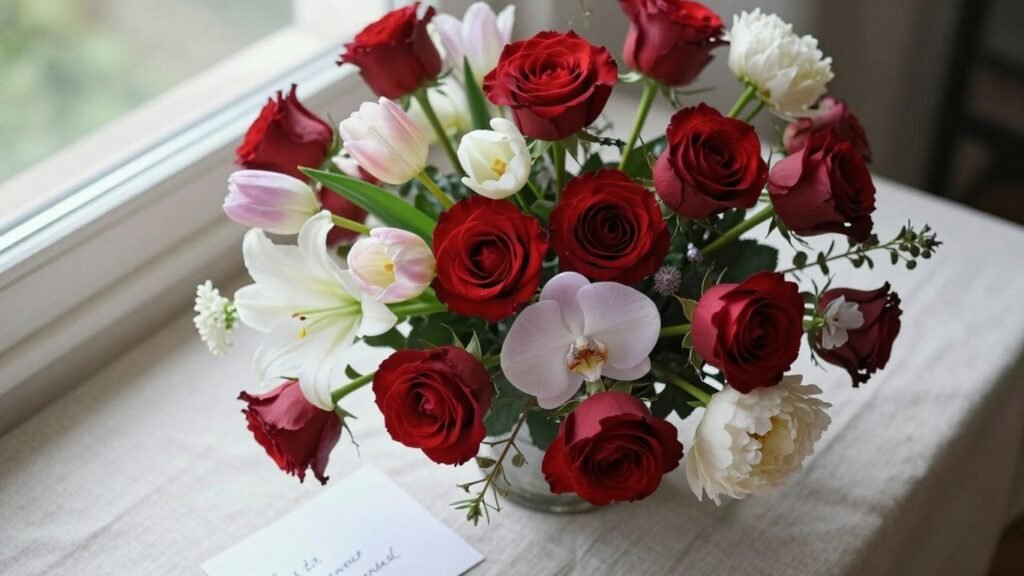
Red roses remain a familiar way to say what can be difficult to put into words. Their rich color feels suited to anniversaries, an important first declaration, or an ordinary day when you want to make someone feel cherished. For anyone searching for flowers to say I love you Altona, this classic choice has a clarity that needs little explanation.
A rose bouquet can be generous and dramatic, or just a few stems arranged simply. Consider the setting and the recipient’s taste: a compact bunch may feel more at home on a bedside table, while a larger arrangement can make a celebratory occasion feel unmistakable. A handwritten note keeps the gesture from feeling automatic.
The tradition is familiar, but the details can still be yours. Choose a softer arrangement if your loved one prefers understated gifts, or let the roses stand on their own if you want the feeling to be clear and heartfelt. For more ideas on matching a bouquet to a romantic occasion, browse these romantic flower arrangements as inspiration, then make the final choice personal.
2. Tulips for fresh, cheerful romance
Tulips bring a lighter mood to a romantic gesture. Their clean lines and bright colors feel natural for a new relationship, a spring birthday, or a small surprise that is meant to make an ordinary day better. A bunch of tulips can say “I’m thinking of you” without the grandeur of a more formal arrangement.
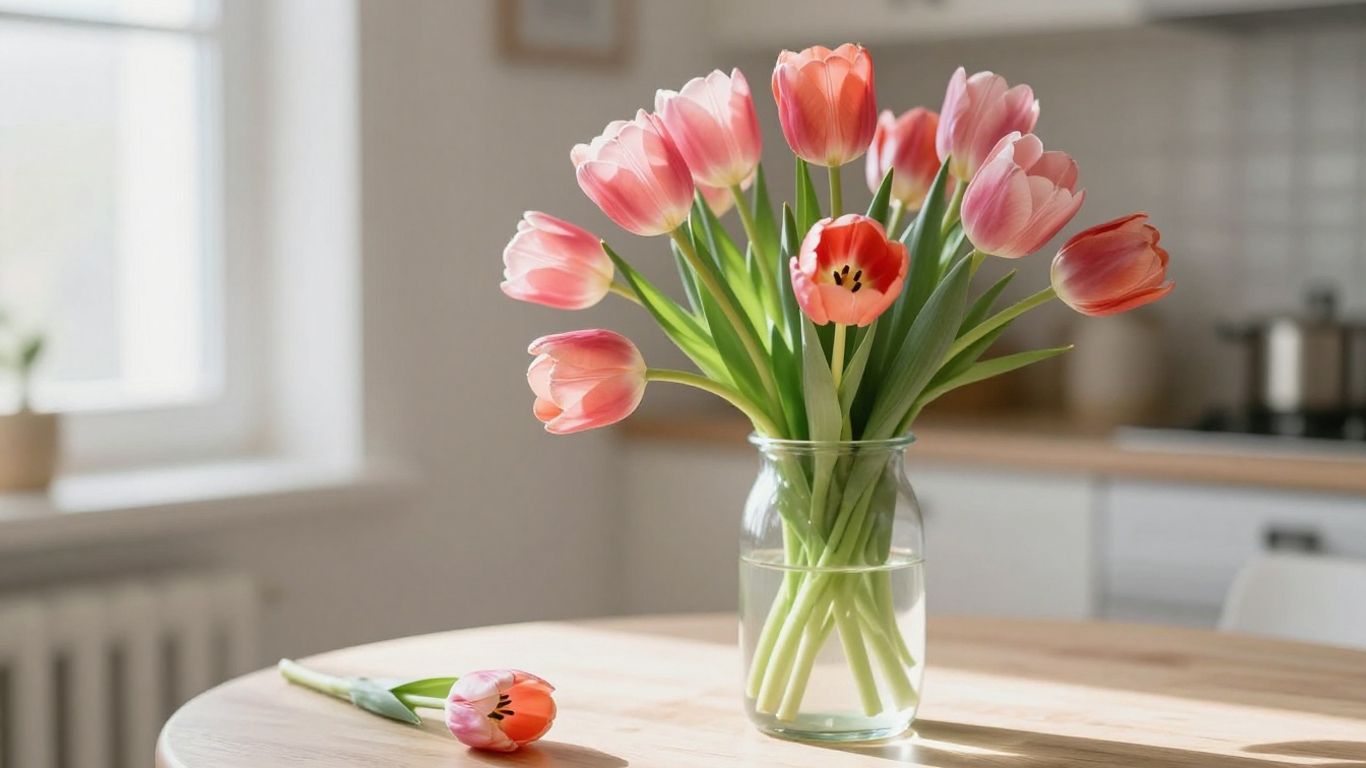
Color can guide the feel of the gift, though the recipient’s preferences matter more than any fixed flower meaning. Soft pinks and creams feel gentle; saturated shades bring a livelier note. If your loved one already has a favorite color, choosing tulips in that palette is a small detail that makes the bouquet feel considered.
Tulips suit anniversaries and spontaneous gestures alike, especially when the arrangement is kept simple. Their cheerful character works well with a brief message, perhaps naming a shared memory or a reason you appreciate the person. You can explore ideas for anniversary flowers too, then borrow only the details that feel right for your own occasion.
3. Lilies for an elegant expression of love
Lilies have a graceful presence that can make a gift feel composed and quietly special. Their open blooms draw the eye, so a few stems can have a strong effect without needing a crowded arrangement. They are a fitting choice when you want your affection to feel thoughtful and refined.
The shape and fragrance of lilies can influence where the bouquet belongs. A lightly arranged bunch may suit a dining table or entryway, while a more compact arrangement can feel easier to place in a smaller room. If the recipient is sensitive to fragrance, consider that before choosing lilies, and ask about a less scented alternative if needed.
A lily bouquet can also be softened with greenery or paired with blooms in a complementary shade. Keep the overall look in tune with the person receiving it: elegant does not have to mean formal, and a simple note can bring warmth to the arrangement. The result feels most sincere when it reflects the relationship rather than an occasion’s expectations.
4. Orchids for a lasting, distinctive gift
Orchids offer a different sort of romantic gesture: sculptural, distinctive, and a little less expected than a traditional cut-flower bouquet. Their unusual shapes make them feel like a considered choice for someone who enjoys design or prefers gifts with a more contemporary look. A potted orchid can also become part of a room rather than a fleeting centerpiece.
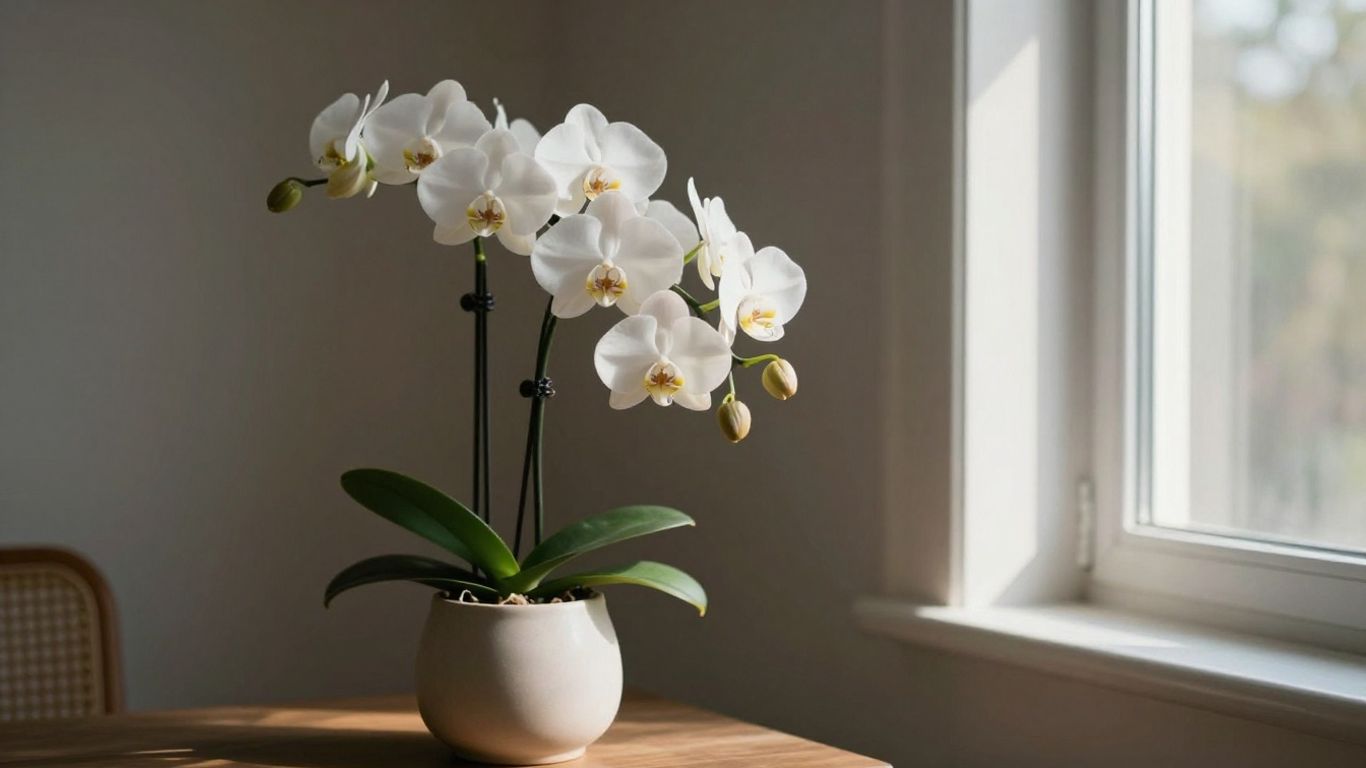
Think about how much care the recipient wants to take on before choosing a potted plant. An orchid may appeal to someone who enjoys tending to houseplants, while a cut arrangement can be a better fit for a person who prefers a gift that asks little of them after it arrives. Either way, the gesture can feel personal when you choose a color and presentation that suit their home.
If the surprise is being arranged online, it is sensible to be mindful about what delivery details you share. A site’s CREATUS.AI Privacy and Cookie Policy offers one example of the kind of information a privacy policy can explain. The flowers themselves can stay the focus: let the note say why you chose this distinctive bloom for this particular person.
5. Peonies for a soft, romantic surprise
Peonies bring a generous, soft-edged look to a bouquet. Their layered petals create a sense of abundance, making them especially appealing for a celebration or a gesture that should feel warm and romantic. Their full shape can carry an arrangement on its own, though a few complementary stems can add a more personal touch.
A peony bouquet can feel especially thoughtful when its colors suit the recipient’s style. Pale shades create a gentle, airy effect, while deeper pinks feel more vivid. If you are choosing flowers as part of a larger surprise, consider what your loved one enjoys doing together: a future Hayesville weekend getaway, for instance, might be the memory your card hints at rather than the flowers’ only message.
Because peonies have such a distinct presence, there is no need to overcomplicate the arrangement. Keep the wrapping and accompanying note simple, and let the blooms provide the softness. The best surprise is not necessarily the biggest one; it is the one that feels recognizably meant for them.
6. Seasonal mixed bouquets for a personal touch
A mixed bouquet gives you room to combine colors, shapes, and textures in a way that feels specific to the person receiving it. Choosing flowers that are in season can also make the arrangement feel naturally connected to the time of year. Rather than aiming for every possible bloom, start with the mood you want the gift to carry.
A few simple pairings can help you think through the look before choosing a bouquet. Treat these as starting points, not strict rules—one favorite flower or color can change the whole direction.
| Bouquet direction | Feeling | A personal detail |
|---|---|---|
| Soft pastel blooms | Gentle and tender | Add a note about a quiet shared moment |
| Bright seasonal colors | Cheerful and spontaneous | Choose a shade they often wear or decorate with |
| Mixed flowers with greenery | Relaxed and natural | Mention a favorite walk or outdoor memory |
Use the table as a way to narrow the mood, then follow the recipient’s taste. For a person who loves games, a card might nod to a shared evening playing Minecraft or a favorite adventure such as Breath of the Wild. That small reference can make even a familiar mix of flowers feel like it could only be for them.
7. Native flowers for a thoughtful Altona-inspired gift
Native flowers can give a bouquet a sense of place and individuality. Their forms and colors often feel different from the more familiar romantic choices, which makes them a natural option for someone who likes gifts with character. A local touch can be especially meaningful when the recipient has a strong connection to Altona or the surrounding area.
When you explore native blooms, ask which flowers are available and how they are best cared for. A florist can help you choose a combination that suits the occasion and the person’s preferences. You can also make the gift feel more connected to home through a note about a favorite local memory, rather than relying on symbolism alone.
If you’re choosing a place-inspired bouquet, these small decisions can help keep it personal:
- Pick colors the recipient enjoys, not just the ones associated with a season.
- Ask about fragrance if the recipient is sensitive to scent.
- Choose a simple vessel that suits their home and can be used again.
- Add a note connecting the flowers to a shared Altona memory.
The native-flower idea works best when it feels like a genuine reflection of the person, not a theme applied for its own sake. That might mean a restrained arrangement, a favorite color, or a message that recalls a familiar place. With one thoughtful detail, the bouquet can feel both romantic and rooted in where you share your life.
Conclusion
The right flowers are the ones that feel true to the person and the moment. Roses make a classic declaration, tulips bring a cheerful note, and less expected choices—from lilies and orchids to seasonal or native blooms—leave room for a more individual expression of love. Pair the arrangement with a note only you could write, and the gesture becomes yours.
Frequently Asked Questions
What flowers are best for saying “I love you”?
Red roses are a traditional choice, but tulips, lilies, orchids, peonies, and mixed bouquets can all suit the message. Think about the recipient’s taste and the mood you want to create.
Are red roses the only romantic flower?
No. Red roses are a familiar symbol of romance, but many people prefer the softer look of peonies, the bright character of tulips, or the distinctive shape of orchids.
What flowers make a good romantic surprise?
A good surprise reflects the recipient. Choose a favorite flower or color, or select a simple seasonal bouquet that suits their home and style.
Are tulips suitable for an anniversary?
Yes. Tulips can make a cheerful, relaxed anniversary gift, particularly if the recipient enjoys bright colors or a less formal arrangement.
Are lilies a good choice for someone sensitive to fragrance?
Lilies can be fragrant, so it is worth considering the recipient’s sensitivity before choosing them. A florist may be able to suggest a less scented alternative.
Should I choose a potted orchid or cut flowers?
Consider whether the recipient enjoys caring for plants. A potted orchid can be a lasting addition to a home, while cut flowers may suit someone who prefers a simpler gift.
How can I make a bouquet feel more personal?
Choose flowers or colors the recipient likes and include a short handwritten note. A reference to a shared memory can make even a simple arrangement feel especially thoughtful.