Key Takeaways
Finding beautiful arrangements on a budget is easier when you know where to look in the local area.
- Visit weekly community markets for fresh, locally grown options.
- Choose seasonal varieties to ensure lower prices and better quality.
- Compare prices at supermarket floral departments for quick, everyday needs.
- Look for introductory offers from online subscription services.
- Engage with local plant swap groups on social media for affordable greenery.
1. Local community markets in Altona
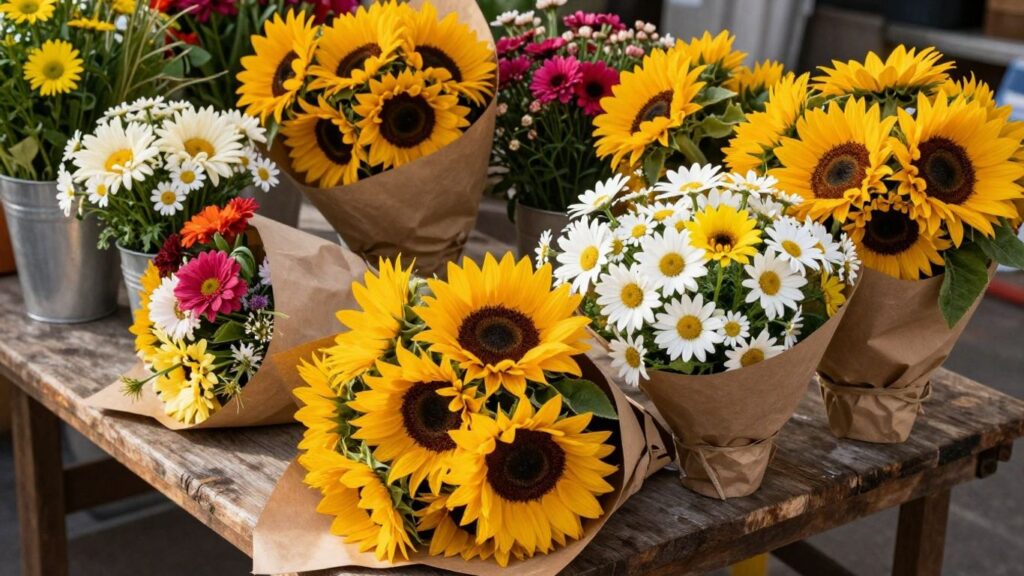
Altona hosts various weekend markets where local growers bring their harvests directly to the neighborhood. These spots are excellent for finding fresh blooms at a fraction of the cost you might see at high-end studios. Because the flowers aren’t traveling long distances, they often last much longer in a vase than what you find at standard retail chains.
Walking through these stalls allows you to speak directly with the people who grew the stems. They are often happy to provide tips on keeping your bouquet fresh for a week or more. The variety changes frequently depending on what is blooming in the region at that moment, which keeps your home decor feeling fresh and varied.
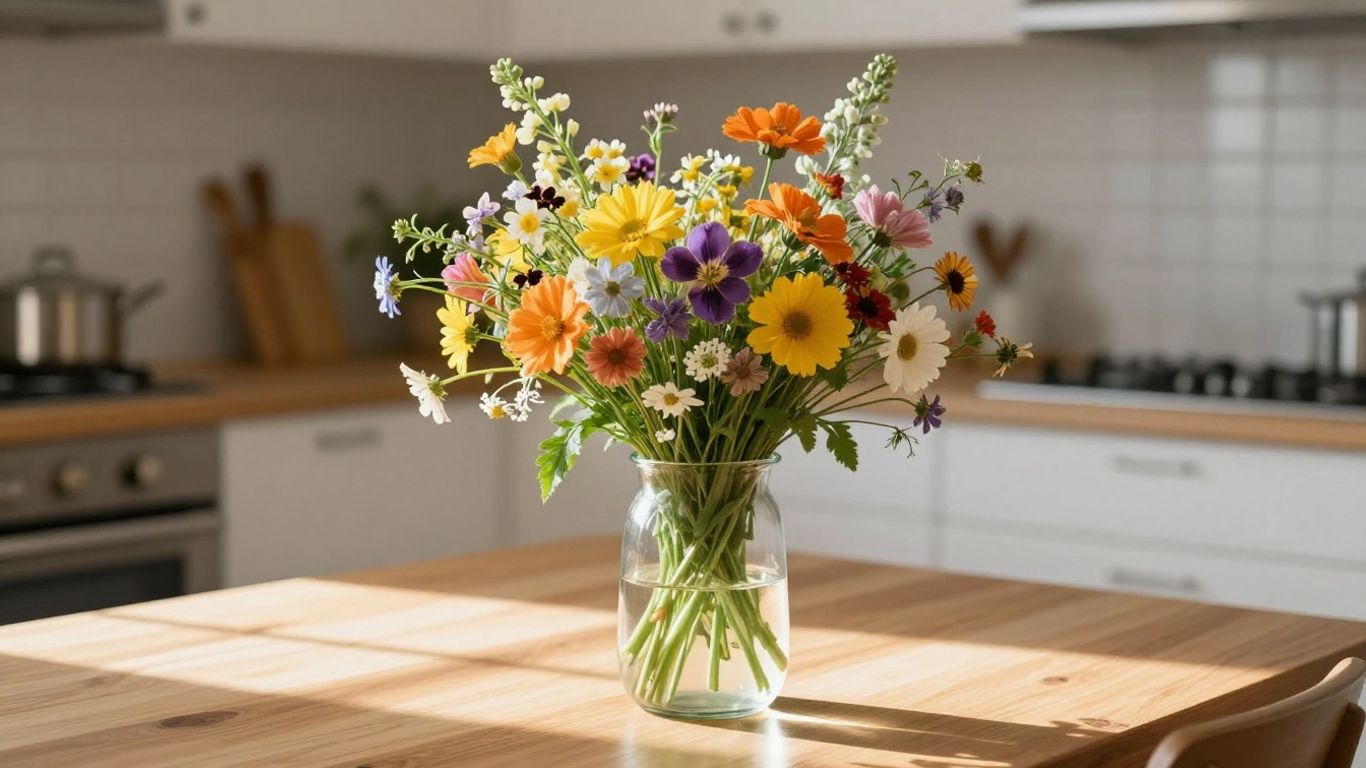
It is common to find vendors selling bunches of native wildflowers or seasonal staples like daisies and snapdragons for prices that make everyday floral decorating affordable. By shopping here, you support local growers and secure the best deals on seasonal arrangements. This approach ensures you are getting the best value for your floral budget while maintaining a high standard of beauty.
2. Budget-friendly online florists for Altona delivery
Finding affordable delivery often requires knowing which services prioritize stem value over fancy packaging. Many local providers allow you to send beautiful arrangements without the heavy overhead costs of traditional gifting boutiques. Using online platforms, you can browse various styles and filter options to find something that fits your specific price point perfectly.
It is sensible to check for sites like Wildberry Flowers that offer transparent pricing on their seasonal selections. When browsing these sites, pay attention to their daily offers or clearance sections which can significantly reduce the price of a standard order. This is a practical way to manage costs when sending gifts to friends or family across the city.
Planning ahead helps you avoid rush fees, allowing you to secure stable pricing. Many reputable services provide reliable delivery windows which adds convenience to the buying process. You might also want to look into Fig & Bloom if you need a quick, thoughtful gift that is designed specifically for the local region.
3. Supermarket floral arrangements for quick gifting
Supermarkets are a reliable option for those needing an accessible solution to pick up flowers while running errands. While the selection varies, many stores now keep their stock in climate-controlled units that preserve quality effectively. This makes them a surprisingly consistent choice for anyone seeking a quick, low-cost bouquet.
Comparing your local supermarket options can reveal differences in pricing and freshness. The following pricing guide offers a general view of what you might expect when selecting stems at the grocer.
| Floral Offering | Typical Price Range | Quality Level |
|---|---|---|
| Mixed Bunch | $10 – $15 | Good |
| Single Variety | $8 – $12 | Excellent |
| Premium Bouquet | $25 – $35 | Seasonal |
It is often possible to find high-quality basics like roses or carnations that, when paired together, look professional. Many savvy shoppers find that trimming and re-arranging supermarket stems significantly elevates their appearance, effectively turning an inexpensive bunch into a sophisticated home centerpiece on a budget. This method is highly effective for those who appreciate the aesthetic of fresh flowers without the boutique price tag.
4. Seasonal bloom choices to lower costs
Opting for seasonal flowers is the single most effective way to keep your costs down while ensuring vibrant, healthy looking arrangements. When flowers are in their natural growth cycle, they are abundant and do not require expensive storage or import fees. This availability reflects directly in the pricing at the point of sale, making it easier to buy more for less.
Researching which varieties are currently in season helps you avoid the premium prices attached to imported or out-of-season stems. For example, local lilies and native textures are often remarkably affordable during the warmer months, while hardy indoor varieties work best throughout the winter. Being flexible with your color choices also allows you to benefit from whichever blooms are currently hitting the market floor in surplus.
By focusing on what thrives during the current weather, you naturally reduce your ecological footprint and save money. It is a win-win situation for both your wallet and your home decor. Keeping this in mind, here are a few simple tips for finding seasonal deals:
- Check the local bloom calendar.
- Ask growers which varieties have an oversupply.
- Prioritize native species for durability.
5. DIY wildflower foraging and arranging tips
Foraging for wildflowers provides an entirely free supply of greenery and filler stems for your arrangements. If you have a garden or access to a permitted woodland area, gathering local herbs and wild grasses can add a rustic, professional touch to your bouquets. These textures often complement store-bought main flowers perfectly, providing structure and height to your display.
When foraging, always carry a sharp pair of scissors to ensure clean cuts, which help the stems drink water more efficiently once they are brought indoors. Be sure to strip the lower leaves from any stems to prevent bacterial growth in your vase. This simple step is vital for keeping your arrangement looking crisp and fresh, rather than wilting prematurely.
Before you start, make sure you properly identify the plants to keep the environment safe and healthy. Once you have your materials, try mixing them with just a few store-bought stems to create a look that feels both curated and natural. This technique is an excellent way to stretch your floral budget while experimenting with new, creative designs.
6. Flower subscription boxes with introductory discounts
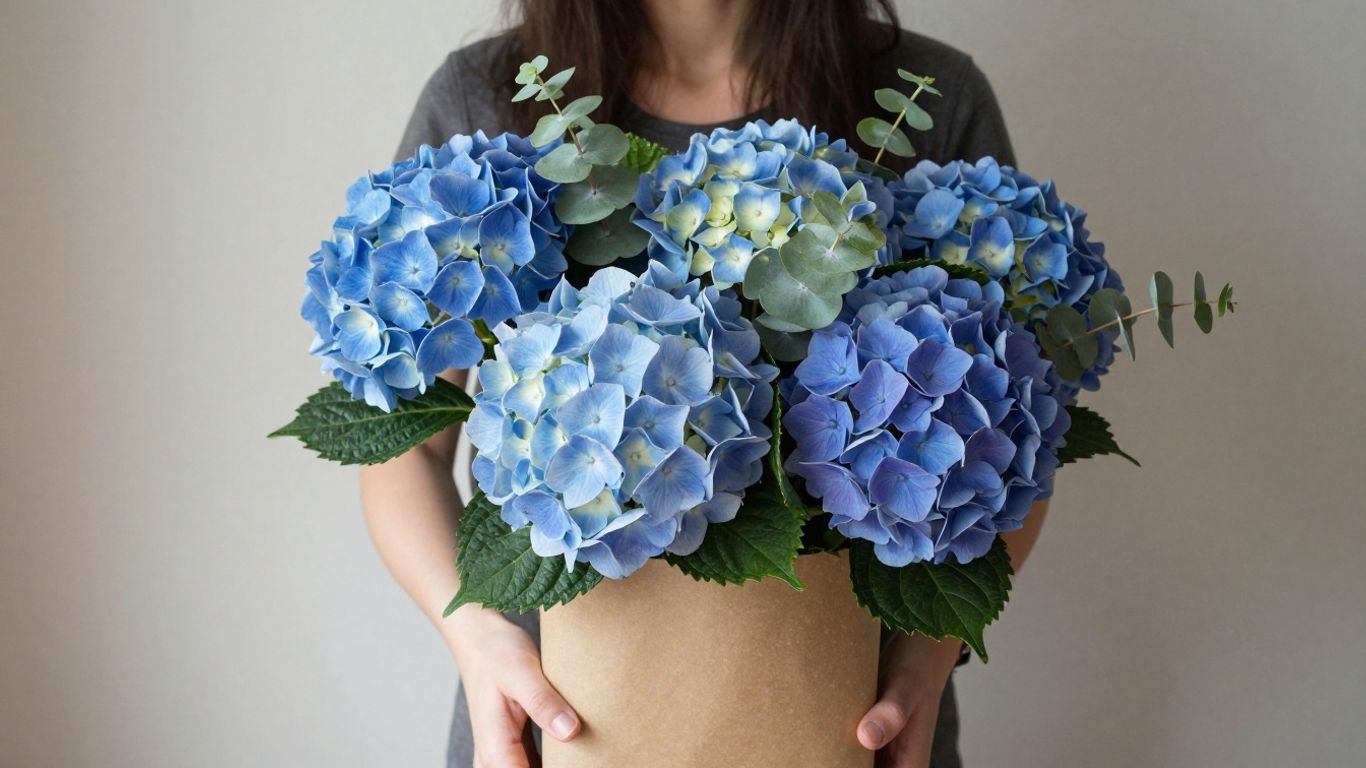
Subscription services have become a popular way to ensure a steady supply of fresh stems at a discounted rate. Many providers The Little Market Bunch specifically offer attractive introductory offers for new community members. By signing up for a recurring delivery, you often pay less per bunch than you would for a one-off order through a standard florist.
Using a flower subscription service is convenient because it automates your floral presence, ensuring you never run out of decor. Managing these accounts is generally simple, allowing you to pause or skip deliveries if you go on vacation. It is a useful tool for maintaining a fresh look in your home throughout the year without having to constantly hunt for deals.
While browsing options, read through the contract terms carefully to understand their flexibility. Some plans are month-to-month, while others offer a better value if paid quarterly. This long-term commitment often results in a significantly lower average cost per bouquet compared to spontaneous shopping, making it a great strategy for long-term budget management.
7. Direct-from-farm floral vendors and distributors
Buying directly from local distributors or farms can cut out the middleman and provide access to fresher stems. Many farms operate small outposts or distribution days where they sell remaining stock that didn’t make the cut for retail stores. This is a hidden gem for those looking to buy in bulk for larger events or just to stock up for the house.
If you prefer a more traditional professional touch, services like James Cress Florist can still offer wide ranges for everyday needs. However, for sheer volume and quantity, finding a local wholesaler or a direct farm outlet is hard to beat. You might find that these places allow you to select specific farm-grade stems that haven’t been processed by a florist, which can result in a much heartier vase lifespan.
youtube:
Building a relationship with a farm representative is often possible if you show up during their quieter hours. Once you establish a connection, they might suggest the best times to arrive for clearance prices, especially on weekends when they are clearing inventory for the following week. This proactive approach to shopping can transform your ability to keep beautiful flowers on display year-round.
8. Boutique florists offering clearance bargains
Even high-end boutique florists have days where they need to clear out their inventory. Most shops perform this purge on Friday afternoons or Saturday morning to prepare for a new shipment of inventory early in the week. By timing your visits to these local shops, you can pick up premium stems that are still in excellent condition at a fraction of their original price.
Don’t be afraid to ask the staff if they have any ‘end-of-week’ specials or stems that are discounted because they are starting to open fully. These flowers are often at their most beautiful stage, offering maximum volume and color for your money. It is a smart way to enjoy professional-grade design without the standard boutique price tag.
If you have a favorite local shop, make a habit of checking in after the main rush of gifting holidays like Valentine’s or Mother’s Day. Often, they will have surplus materials and containers that they are trying to liquidate quickly. This isn’t just about flowers; sometimes you can score great decorative accessories alongside your bargain-priced stems.
9. Event-based sales at local garden centers
Garden centers are not only great for planting, but they are also frequent host sites for floral clearance and seasonal sales events. When the season transitions, shops often look to empty their inventory of indoor floral arrangements to clear space for new hardware or nursery starts. Keep an eye on local newsletters or visit the centers in person to spot these event dates early.
These sales are perfect for purchasing decorative items like planters, vases, or soil additives to keep your arrangements healthy. You might also find that gardeners themselves often sell their surplus cuttings during these events. It creates a community-driven market where deals are plentiful and the quality is usually very high because it is curated by local enthusiasts.
If you find yourself interested in home improvements beyond just flowers, consider looking into a fireplace project guide for your seasonal renovations or checking on driveway maintenance tips for your property. Garden centers often carry literature or resources on these topics, and sometimes finding deals on multiple home needs can be a great way to maximize your weekend trip.
10. Social media marketplaces and local plant exchange groups
Social media has become a primary tool for connecting with others in your area who are interested in floral and plant exchanges. Many local neighborhood groups have pages dedicated to trading, gifting, or selling surplus garden flowers and house plants. This is a fantastic way to find unique varieties that you simply can’t find in a standard commercial shop.
Joining these groups allows you to see when members are thinning out their gardens, which is a perfect time to rescue stems that might otherwise be composted. It is also an educational space where you can share tips on skincare for melanin-rich skin or discuss innovative gaming hardware if the group interests diversify. This social element adds a layer of neighborhood connection that goes beyond simple commerce.
Be sure to follow the group’s posting rules and engage respectfully to build a good reputation. When you have a surplus from your own efforts, offering them up for free or a nominal swap creates a healthy cycle that continues to benefit everyone involved. This community-based approach makes keeping fresh flowers affordable and sustainable for everyone in Altona.
Conclusion
Finding cheap flowers Altona locals can enjoy is entirely possible by varying your shopping sources between community markets, seasonal supermarkets, and local exchange groups. By keeping an eye on seasonal cycles and maintaining connections with small-scale growers, you can guarantee a vibrant home without exceeding your budget. With a little bit of flexibility and the right strategy, you will find that a fresh, beautiful display is always within reach.
Frequently Asked Questions
How often should I trim flower stems?
You should trim the stems of your flowers every two to three days to ensure they can continue drawing water effectively from your vase. Using a sharp pair of scissors, cut the stems at a forty-five-degree angle and wash the vase thoroughly before replacing the water.
Can I keep flowers fresh longer without expensive additives?
Yes, keeping your vase absolutely clean is the most important factor in floral longevity. You can also add a pinch of sugar to the water to provide nutrients, though keeping the water free of bacterial buildup is significantly more effective than any single additive.
Are supermarket flowers lower quality than local florist shops?
Not necessarily, as many modern supermarkets receive daily shipments that ensure great freshness. While the variety might be limited compared to a dedicated boutique, the basic stems found in grocery stores are often identical in origin to those sold elsewhere and can last just as long if handled with care.
What is the best way to transport flowers home?
Keep your stems cool and upright while in transit, and avoid leaving them in a hot car for any significant period. If you have a long way to travel, wrapping the stems in a damp paper towel and placing them in a bag can keep them hydrated until you reach your destination.
Are there specific times of day to shop at markets?
Arriving early in the morning often gives you the best selection of floral inventory, but showing up toward the end of the market day can often lead to deeper discounts. Vendors are frequently eager to move inventory before packing up, making it a great time to strike a bargain.
How do I know if a flower is still fresh at a flea market?
Check for firm petals that don’t sag and stems that look crisp rather than limp or darkened. A healthy flower should have vibrant color and show no signs of browning on the edges, and the water in their display bucket should be clear rather than cloudy.
Can I dry flowers to extend their life?
Absolutely, many flowers lend themselves well to drying if gathered at the right stage of their bloom. Simply strip the excess foliage and hang them upside down in a cool, dark, and dry area for a few weeks to preserve their shape and color for long-term display.