Key Takeaways
Altona’s flowers follow the Southern Hemisphere calendar, but weekly availability depends on weather, growing conditions, and what a florist can source. Use the season as a guide, then ask what is freshest before choosing.
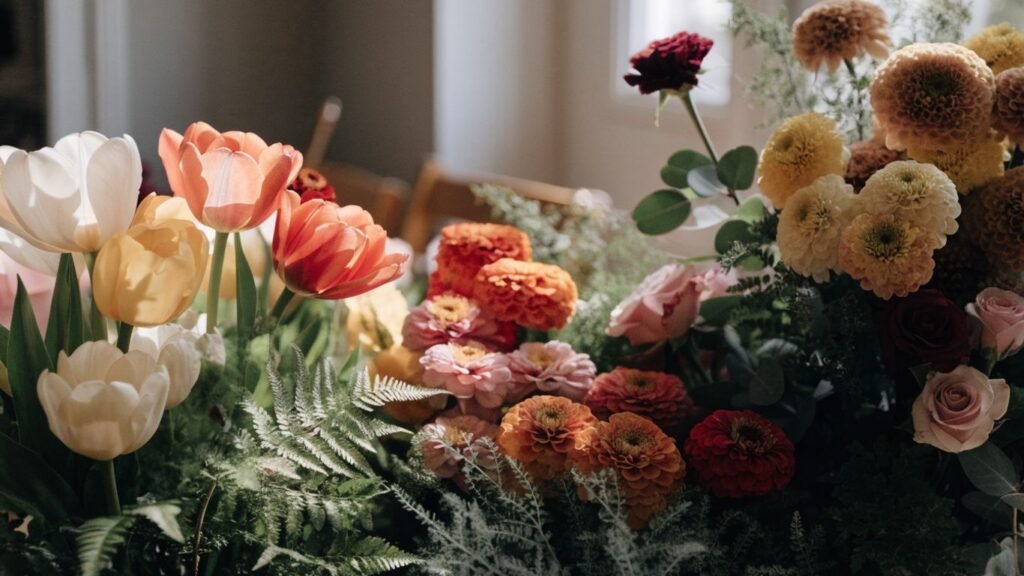
- Spring in Altona often brings tulips, ranunculus, anemones, and fragrant sweet peas.
- Summer bouquets can feature sunflowers, zinnias, cosmos, and later-season dahlias.
- Autumn and winter arrangements may include chrysanthemums, roses, tulips, and proteas.
- Bloom times and local availability can shift with temperature, rain, and supply.
- A flexible color palette and a quick availability check make choosing easier.
How flower seasons work in Altona
Altona is a suburb of Melbourne, so its flower calendar follows the Southern Hemisphere: spring falls in September through November, and summer runs from December through February. That seasonal pattern gives a helpful starting point when you’re asking what flowers are in season now Altona, though it can’t promise that a particular stem will be available today. Weather, growing conditions, and sourcing all shape what appears in a bouquet. Treat seasonality as a guide, not a fixed menu.
Altona’s location and Southern Hemisphere seasons
Altona’s spring begins as the weather warms, while autumn and winter bring cooler days. Those shifts influence what can grow outdoors and when different flowers are ready to cut. In a broad seasonal sense, spring is associated with delicate, cool-weather blooms, while summer brings more sun-loving varieties. A local florist can tell you how that general pattern translates to the stems on hand.
Why bloom times shift from year to year
A run of warm days can bring some flowers on sooner; a cool spell or heavy rain can delay them. Growers also work with changing conditions, so an expected variety may arrive in a smaller quantity or not at all in a particular week. That’s why a seasonal guide is most useful alongside a current availability check. Week-to-week flexibility can help you find a bouquet that still feels right when your first choice is unavailable.
The difference between locally grown and imported flowers
Locally grown stems are shaped by nearby growing conditions and their harvest timing. Imported flowers can broaden the range available, but they may follow a different growing calendar and supply route. Neither label guarantees a particular flower or quality; the useful question is where a stem came from and how fresh it is now. If local sourcing matters to you, ask the florist directly rather than assuming every seasonal-looking bloom was grown nearby.
How to check what’s available this week
A quick question to a florist is often more useful than relying on a month-by-month list. Ask what arrived recently, whether a named flower is limited, and what could replace it if the supply changes. The table below offers a broad seasonal reference for Altona, not a promise of current stock.
| Part of the year | Flowers to ask about | A useful note |
|---|---|---|
| Spring | Tulips, ranunculus, anemones | Availability can shift with spring weather |
| Summer | Sunflowers, zinnias, cosmos | Ask how the bouquet will handle heat |
| Autumn | Chrysanthemums, roses | Check which colors and varieties are on hand |
| Winter | Tulips, ranunculus, proteas | A florist can suggest hardy alternatives |
Use the table to start a conversation, then confirm what is fresh this week. Online listings can also point you toward Altona flower delivery, but check the location carefully: some results refer to Altona, Illinois, rather than the Melbourne suburb.
Flowers to look for in Altona during spring
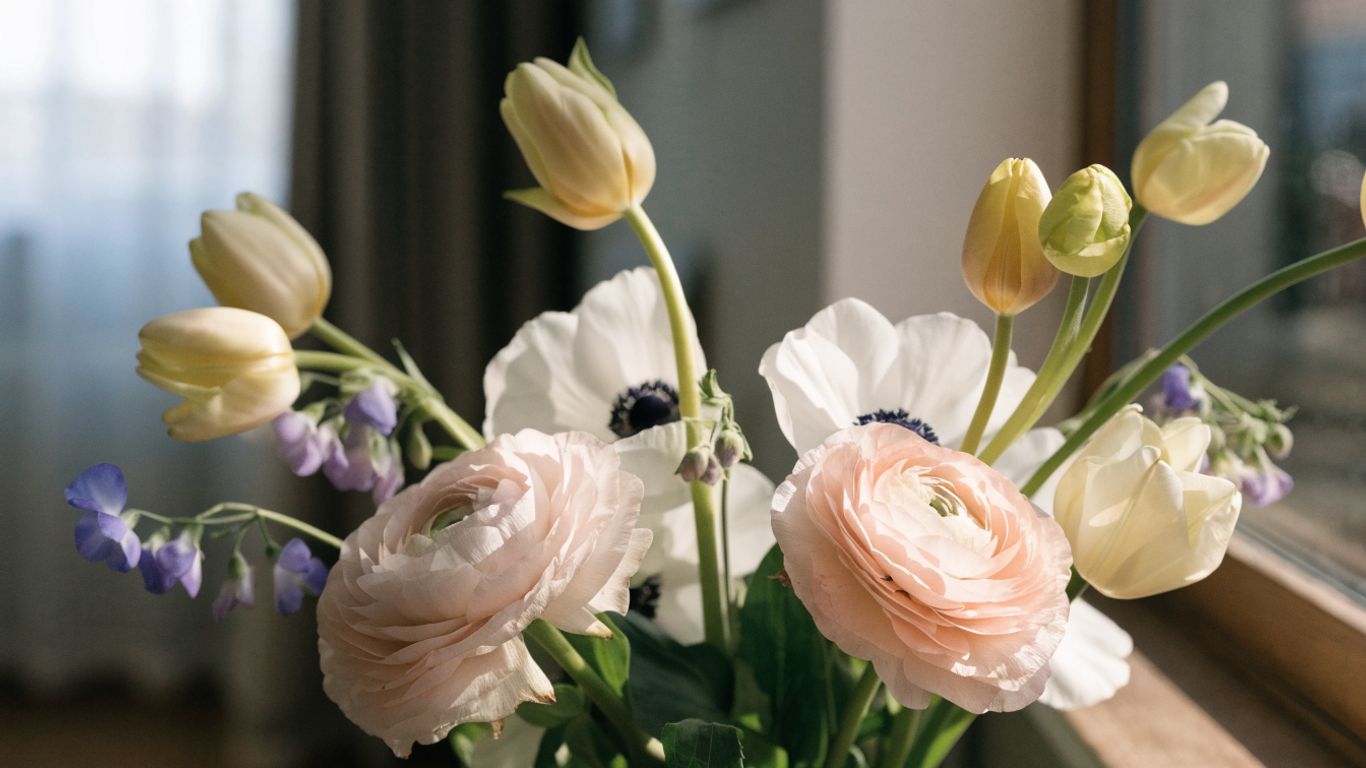
Spring brings a lighter feel to bouquets: soft colors, fine petals, and stems that suit a loose, garden-like arrangement. In Altona, the season is a good time to ask about tulips, ranunculus, anemones, and sweet peas. Exact availability varies with the weather and supply, so think of these as flowers to look for rather than guaranteed choices. A florist may suggest a similar bloom if one variety is between harvests.
Tulips, ranunculus, and anemones
These three flowers offer different shapes while still fitting the gentle mood many people associate with spring. Tulips have clean, simple lines; ranunculus bring layered petals; and anemones can add a darker center and a sharper contrast. A bouquet can use one variety on its own or mix them for more texture. Ask whether the flowers are opening or still tight, since that affects how the arrangement will look over the next few days.
Sweet peas and other fragrant stems
Sweet peas are often chosen for their soft appearance and noticeable fragrance. They can give a bouquet a delicate, informal quality, especially when paired with more structured flowers. Fragrance varies by stem and can be personal, so it’s worth asking about scent before ordering for a shared space. If you enjoy the botanical side of flowers, Strange Horticulture offers a plant-focused mystery game for a quiet day indoors.
Seasonal foliage and flowering branches
Foliage and branches can make a spring arrangement feel fuller without relying on a large number of blooms. They introduce different greens, shapes, and heights, and flowering branches can bring a looser, more natural outline. Ask the florist which greenery is currently available and whether it suits the scale of the bouquet. A few well-chosen stems can give the flowers room to stand out.
How spring weather can affect availability
Spring weather can be changeable, and a stretch of rain or an unexpected warm period may affect what growers can supply. That can mean a shorter selection or a substitution, even when a flower is usually associated with the season. If you have a specific date or color in mind, ask early and agree on an alternative. For anyone who likes a garden-inspired pastime alongside a bouquet, Stardew Valley-like games offer a different kind of seasonal escape.
Flowers to look for in Altona during summer
Summer’s brighter light often suits bold colors and flowers with a sunny, open look. Sunflowers, zinnias, and cosmos are varieties worth asking about, while dahlias may become a favorite later in the season. Local conditions and supply still matter, so a florist’s current list is a better guide than a fixed calendar. For outdoor occasions, also think about how long flowers will sit in warmth before they reach water.
Sunflowers, zinnias, and cosmos
Sunflowers make a strong focal point, while zinnias and cosmos can add color and a lighter, airy feel. Their different shapes work well together in a relaxed summer mix, though any one of them can carry a smaller arrangement. When choosing, consider whether you want a bright, high-contrast bouquet or something softer. The florist can suggest which colors and stem sizes are available that week.
Dahlias and other late-summer favourites
Dahlias are often associated with late summer and can bring generous form and rich color to a bouquet. Their range of shapes makes them useful as a focal flower, but the exact varieties depend on supply. Pairing them with simpler flowers or foliage can keep the arrangement balanced. If you have a particular dahlia color in mind, ask about it before settling on the rest of the design.
Heat-tolerant flowers for outdoor events
For a ceremony, picnic, or gathering outdoors, ask the florist which available stems are likely to hold their appearance in warm conditions. Placement matters too: direct sun and hot surfaces can shorten the time a bouquet stays fresh. If the flowers will be displayed near stone furniture, this stone furniture planning guide covers the separate practicalities of selecting and installing a surface. It is still worth keeping arrangements shaded and supplied with water wherever possible.
Keeping summer bouquets fresh for longer
A little care can help a summer bouquet stay pleasant for longer. Start by keeping it out of direct sun and away from hot appliances, then follow the florist’s advice for trimming stems and changing water. For an outdoor event, plan where the flowers will wait before they are displayed. Heat also affects outdoor materials in other contexts; this technical guide to thermoplastic road markings discusses summer conditions for pavement work, a separate concern from flower care.
Flowers to look for in Altona during autumn and winter
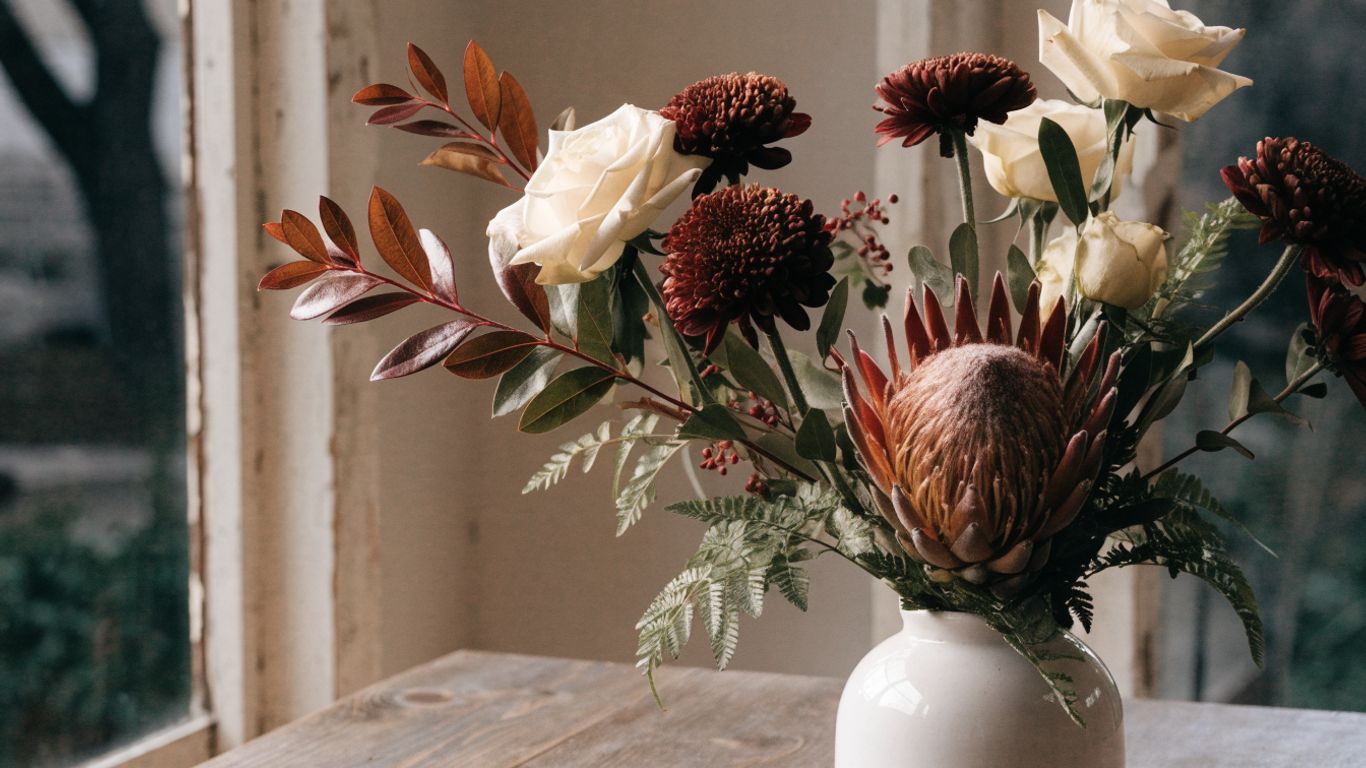
As the weather cools, bouquets can shift toward deeper colors, layered textures, and stems that suit a more restrained palette. Chrysanthemums, roses, tulips, ranunculus, and proteas are all worth asking about across autumn and winter. Not every variety will be available at every florist, and the mix changes through the season. A flexible request for a color or overall style can be easier to fulfill than a strict list of stems.
Chrysanthemums and other autumn blooms
Chrysanthemums offer plenty of variety in shape and color, making them adaptable to both simple and fuller arrangements. In autumn, they can sit comfortably alongside foliage and other seasonal flowers. Ask which types are fresh and whether they will suit the mood you want, from bright and cheerful to more muted. A florist can build the arrangement around the flowers available rather than a single assumed variety.
Roses and seasonal filler flowers
Roses remain a familiar choice for gifts and occasions throughout the year, while filler flowers and foliage can change with the season. If you’re choosing roses, ask about color, freshness, and the overall shape of the bouquet. For home gardeners, a spring rose-pruning guide covers pruning timing and care; it’s a separate task from choosing cut flowers, but useful for anyone tending roses of their own. Filler stems can soften a rose arrangement or add contrast without competing with its focal blooms.
Tulips and ranunculus in cooler months
Tulips and ranunculus can also appear in cooler-season arrangements, depending on the florist’s supply. Their soft petals work well with deeper autumn shades or the quieter colors often chosen in winter. If one is unavailable, ask about a flower with a similar shape or color rather than choosing a replacement at random. That keeps the bouquet’s overall feeling intact.
Proteas and other long-lasting options
Proteas are known for their bold forms and can give an arrangement a strong focal point. Their shape also pairs well with foliage and simpler flowers, creating a bouquet with variety in texture. Ask the florist which stems are suitable for your display and how best to care for them. If longevity is important, discuss the whole arrangement rather than assuming one flower alone will determine how long it lasts.
How to choose seasonal flowers for your occasion
The best seasonal bouquet is not necessarily the one with the most unusual flowers. It should suit the occasion, the recipient, and the conditions it will face on its way to the final spot. Start with a color direction or general mood, then let current availability shape the details. A little flexibility can make it easier to choose something fresh and well balanced.
Select colours to suit the event
Color can make a bouquet feel celebratory, calm, romantic, or understated before anyone notices the individual flowers. Instead of choosing exact stems first, decide whether the arrangement should feel bright, soft, tonal, or high contrast. These simple prompts can help you explain the look you want:
- Choose a few complementary shades for a calm, coordinated bouquet.
- Use one vivid color as a focal point against quieter tones.
- Match the palette to the room or event without requiring identical shades.
- Ask which available flowers best fit the color direction.
This approach leaves room for seasonal substitutions while keeping the bouquet’s overall mood consistent. If you’re choosing a gift, a general palette is often easier for a florist to work with than a precise stem-by-stem recipe.
Match the bouquet style to the recipient
Think about the person’s taste and where they might display the flowers. A compact arrangement may suit a small table, while a looser bouquet can feel more relaxed and garden-like. If the recipient enjoys games as well as plants, you might pair a bouquet with a link to Stardew Valley or another cozy game—but the flowers should still reflect their own style. When in doubt, ask for a simple arrangement in colors they already enjoy.
Choose hardy stems for delivery or travel
Flowers may spend time in transit, especially if they are traveling to an event or being collected before a gathering. Tell the florist how long they need to travel and whether they will have access to water. They can recommend an arrangement suited to those conditions and explain how to keep it fresh on arrival. This is particularly useful on warm days, when a bouquet should not be left in a parked car.
Consider fragrance, allergies, and pet safety
A fragrant bouquet can be lovely, but strong scents may not suit every home or workplace. Ask about flowers with noticeable fragrance if the recipient is sensitive, and check with a qualified source about pet safety when animals share the space. You can also request a lower-fragrance arrangement or avoid particular stems. A little context helps the florist suggest a suitable alternative.
How to find seasonal flowers from Altona florists
A good seasonal order starts with a clear conversation about what is available, when you need it, and what can change. Online pages may show a broad range, but the exact flowers can vary from day to day. Confirm the suburb, delivery area, timing, and any substitution preferences before placing an order. For example, Wildberry Flowers has an online page describing flower orders for Altona; check its current location and service details to make sure they match your needs.
Ask what is freshest and locally available
Rather than asking only for a flower by name, ask what has arrived recently and what the florist would recommend for your occasion. If local growing is important, ask whether the available stems were grown nearby. A shop’s current answer can be more useful than a general seasonal list, especially when weather has affected supply. You can also browse Altona florist options as a starting point, then verify each listing’s location and details directly.
Check substitutions before placing an order
Seasonal bouquets can change when a particular flower is unavailable, so it helps to agree on substitutions before ordering. Explain what matters most: a certain color, a flower shape, fragrance, or the overall size of the arrangement. Then ask whether the florist will contact you before making a change. Clear preferences help avoid surprises while leaving room to work with fresh stems.
Compare pickup and delivery options
Pickup can suit a flexible schedule, while delivery may be simpler when the bouquet is going directly to someone else. Check the service area, delivery window, and any instructions needed for the recipient. If you’re comparing local pages, Altona flower services is one place to review shop details, but confirm costs and availability with the florist before ordering. For a broader overview, flower delivery scheduling also explains what to check when planning an order.
Plan ahead for holidays and peak flower dates
Popular dates can mean more orders and fewer choices of particular flowers, so contact a florist early if the design matters. Share your preferred colors, budget, delivery or pickup plans, and any flowers you want to avoid. You may still be able to order closer to the date, but a little notice gives the florist more room to suggest options. If the exact stems are less important than the overall look, say so from the beginning.
Conclusion
Altona’s seasonal flowers offer a useful starting point, from spring tulips and sweet peas to summer dahlias and cooler-season chrysanthemums, roses, and proteas. Since weather and supply can shift what is available, the most reliable next step is to ask a florist what is freshest this week and stay open to a thoughtful substitute.
Frequently Asked Questions
What flowers are in season now in Altona?
Altona follows Melbourne’s Southern Hemisphere seasons. In spring, ask about tulips, ranunculus, anemones, and sweet peas; in summer, sunflowers, zinnias, cosmos, and later dahlias may be options. Current supply varies, so check with a florist.
Are flowers available year-round in Altona?
Some familiar flowers, such as roses, may be offered across several seasons, while other varieties have more limited harvest windows. Florists may also source flowers from different growing regions, so availability depends on the week.
Does Altona’s weather affect which flowers are available?
Yes. Warm spells, cool periods, and heavy rain can change bloom timing and supply. That is one reason seasonal lists are best treated as a guide rather than a guarantee.
What flowers are good for a summer bouquet?
Sunflowers, zinnias, cosmos, and dahlias are varieties worth asking about in summer. For an outdoor event, ask which available stems are suited to warmth and keep the arrangement shaded and supplied with water.
Can I request a seasonal substitute if a flower is unavailable?
Yes. Tell the florist which qualities matter most, such as color, shape, fragrance, or size, and ask what similar fresh flowers are available. Agreeing on substitutions before ordering can prevent surprises.
How can I keep a bouquet fresh in warm weather?
Keep flowers away from direct sun and heat, place them in water as soon as possible, and follow the florist’s care advice. Avoid leaving a bouquet in a hot car or outdoors for long periods.
How far ahead should I order flowers for a holiday?
Ordering early is helpful for holidays and other busy dates, especially if you want a particular color or flower. Ask the florist about their recommended timing and whether a flexible seasonal design can be arranged closer to the date.